Hey there, future safety champions! Let’s be real, stepping into the demanding role of a new Safety Officer can feel like diving headfirst into an ocean of regulations, risks, and responsibilities.
The sheer weight of ensuring everyone goes home safe and sound? It’s a heavy load, and honestly, I remember those early days feeling a mix of pure adrenaline and a healthy dose of ‘where do I even begin?!’ The landscape of workplace safety is shifting faster than ever.
We’re not just tackling traditional hazards; we’re navigating the complexities of mental health awareness, the unique challenges of hybrid work environments, and even the ethical implications of emerging tech like AI in incident prediction.
It’s a thrilling, yet daunting, frontier! I’ve spent years immersed in this field, and I’ve seen firsthand how a solid, strategic start can make all the difference between feeling constantly overwhelmed and confidently leading the charge.
If you’re eager to transform that initial uncertainty into unwavering confidence and build a truly impactful safety culture from day one, then you’ve come to the right place.
Let’s dig into the essential strategies you need to master.
Mastering Your Environment: The Initial Deep Dive

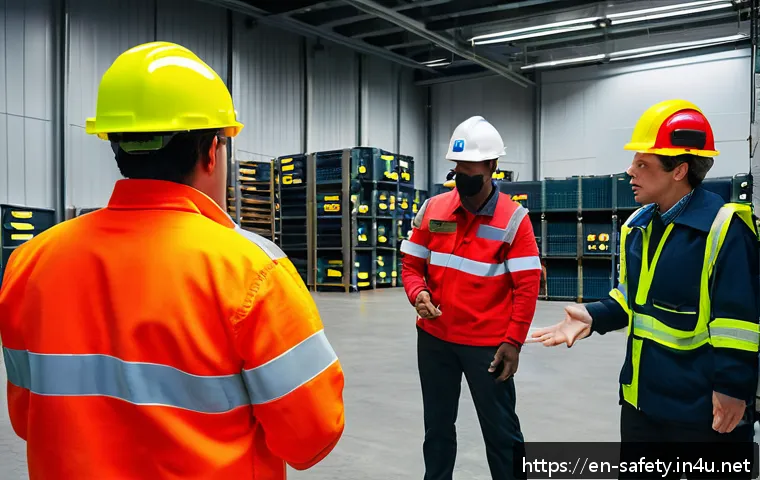
Okay, let’s talk about those crucial first few weeks. When I first stepped into a major manufacturing plant as a Safety Officer, my head was spinning. It wasn’t just about memorizing regulations; it was about feeling the pulse of the place. You know, truly understanding the daily grind, the specific machinery, the unique quirks of each department. My advice? Don’t just sit in your office poring over manuals – get out there! Walk the floor, observe the workflows, and frankly, get a little dirt on your boots. You’ll quickly discover that what looks good on paper might not always translate perfectly to real-world operations. I recall one instance where a safety protocol, seemingly robust in our documentation, completely overlooked a common shortcut workers took due to equipment placement. Had I not spent time observing, I would have missed that critical, everyday risk. This initial immersion isn’t just data collection; it’s about absorbing the unspoken rhythms and potential hidden hazards. Spend time with the front-line teams, watch how they interact with their tools and each other. See where the bottlenecks are, where the energy is, and where people might be cutting corners – not out of malice, but perhaps out of habit or simply not knowing a safer way. This hands-on approach builds a foundational understanding that no textbook can ever replicate. It helps you identify where immediate improvements can be made and where longer-term strategic interventions are needed, ensuring you’re addressing real problems, not just perceived ones.
Observe and Learn Firsthand
My number one tip for any new Safety Officer is to become a silent observer before anything else. Before you even think about implementing new policies or correcting perceived deficiencies, take the time to truly see how things operate. This means spending significant time on the factory floor, in the office spaces, or at the construction site. Watch how people interact with machinery, how they lift heavy objects, how they navigate busy pathways. Pay attention to the subtle cues – the worn paint on a floor indicating a common walking path, the makeshift tool someone created to make their job easier, or the way a team communicates during a complex task. I distinctly remember a time when I thought a particular machine guard was inadequate based on its design. However, after watching operators for a few days, I realized they had developed a habit of bypassing another safety feature because it slowed down their process significantly. The real risk wasn’t the guard I was focused on, but the behavioral adaptation driven by perceived inefficiency. By observing, I uncovered the root cause, allowing for a much more effective and sustainable solution. This phase isn’t about judgment; it’s about pure, unfiltered information gathering. It allows you to build a mental map of your environment, identifying key stakeholders, potential points of friction, and areas where quick wins or long-term strategies might be most impactful. It’s about building a solid foundation of understanding before you ever lay a brick.
Unpacking Your Workplace’s Unique DNA
Every workplace, no matter how similar it seems on the surface, has its own unique “DNA” when it comes to safety. This DNA is made up of its specific operational processes, the type of machinery used, the culture of the workforce, and even the physical layout of the facility. For instance, working in a bustling logistics warehouse has completely different safety considerations than a quiet biotech lab. When I moved from a service industry role to manufacturing, the sheer scale and complexity of the machinery were an eye-opener. I quickly realized that generic safety protocols wouldn’t cut it. My initial focus was on understanding the specific hazards associated with each piece of equipment – from the smallest hand tools to the largest automated systems. This involved reviewing equipment manuals, talking to maintenance teams, and crucially, asking the operators about their daily challenges. They often have the most practical insights into potential malfunctions or ergonomic strains that a manual might never highlight. Don’t underestimate the power of these conversations. They not only provide critical safety information but also help you build rapport with the very people whose safety you are there to protect. Identifying these unique characteristics allows you to tailor your safety programs to be truly effective, rather than applying a one-size-fits-all approach that often falls flat. It’s about being precise in your safety efforts, targeting the actual risks present in your specific environment.
Building Bridges, Not Walls: Forging Key Relationships
This one’s a game-changer, trust me. When I started out, I thought my job was purely about enforcement. Boy, was I wrong! I quickly learned that compliance isn’t just about rules; it’s about relationships. You’re not just a safety cop; you’re a partner, a guide, and sometimes, even a confidant. The key is to build trust, and that starts with genuine conversations. Go out of your way to introduce yourself to everyone, from the CEO to the janitorial staff. Ask them about their work, their concerns, and what they think could make their environment safer. I remember an older technician, a bit gruff initially, who eventually became one of my strongest advocates simply because I listened to his decades of experience about machine maintenance. He had insights no one else did! When people feel heard and respected, they’re far more likely to embrace safety initiatives and even come to you with potential issues before they escalate. Conversely, if you come in with an authoritative, ‘my way or the highway’ attitude, you’ll find yourself constantly battling resistance. People shut down, and vital information gets buried. Your success as a Safety Officer hinges on your ability to influence, not just instruct, and true influence is built on a bedrock of strong, positive working relationships across all levels of the organization. Think of yourself as a central hub, connecting different departments and ensuring everyone feels invested in the shared goal of a safe workplace. It’s about creating a culture where safety is a collective responsibility, not just yours.
Connecting with Frontline Teams
Establishing a strong rapport with your frontline employees is absolutely paramount. These are the people who are directly exposed to the hazards every single day, and they hold invaluable knowledge about how work truly gets done and where the real risks lie. When I first joined a new company, I made it a point to spend time in the breakrooms, chat during shift changes, and even participate in their daily stretch-and-flex routines. It wasn’t about being intrusive; it was about being present and approachable. I remember a conversation with a forklift operator who casually mentioned a blind spot on a frequently used aisle that had led to several near misses. Management wasn’t aware because these incidents weren’t always formally reported. By simply listening to him, we were able to install additional mirrors and revise traffic flow, preventing a potentially serious accident. This level of trust and open communication transforms you from an external authority figure into an internal safety partner. It empowers employees to become active participants in their own safety and the safety of their colleagues, rather than just passive recipients of rules. They’ll be more likely to report near misses, suggest improvements, and even correct unsafe behaviors among their peers when they feel you’re truly on their side and value their input. This isn’t just good for safety; it’s fantastic for morale and overall productivity, too.
Aligning with Leadership and Management
While connecting with the frontline is crucial, don’t underestimate the power of strong relationships with leadership and management. Their buy-in and visible support are critical for fostering a pervasive safety culture. When I started, I quickly realized that safety initiatives often needed budget approval, resource allocation, and a top-down endorsement to truly gain traction. My strategy was always to communicate safety not just as a cost center, but as an investment that positively impacts productivity, employee retention, and ultimately, the company’s bottom line. For example, I once presented a case to reduce slips, trips, and falls, highlighting not only the human suffering prevented but also the significant costs associated with lost workdays, worker’s compensation claims, and potential legal fees. Framing safety in terms of business value rather than just compliance can resonate deeply with executives. Regular updates, clear reporting on safety metrics, and involving management in safety walkthroughs or incident reviews can also solidify their commitment. When employees see their leaders actively participating in safety, it sends a powerful message that safety is a priority, not just lip service. Building these relationships means understanding their priorities and showing them how safety aligns with those goals. It’s about demonstrating that safety isn’t a burden, but a strategic advantage that enhances overall organizational performance and reputation.
Decoding the Rulebook: Navigating Regulatory Labyrinths
Let’s be honest, the sheer volume of health and safety regulations can feel like trying to read an encyclopedia written in a foreign language while blindfolded. When I first encountered the labyrinth of OSHA standards, state-specific codes, and industry-best practices, I felt a familiar pang of panic. “Where do I even begin to untangle this?” I wondered. But here’s the secret: you don’t have to become a walking legal library overnight. Start by identifying the regulations most pertinent to your specific industry and operations. For example, if you’re in construction, you’ll live and breathe fall protection and scaffolding standards. If you’re in healthcare, bloodborne pathogens and infection control will be your daily bread. Focus on understanding the core requirements that directly impact your workplace first. Don’t be afraid to leverage resources; regulatory bodies often have excellent guidance documents, FAQs, and even training modules online. I found that joining local safety professional groups and subscribing to industry newsletters kept me updated on legislative changes and interpretations – invaluable stuff! And here’s a pro tip: don’t just read the regulations; understand the *why* behind them. Knowing the historical context or the common incidents that led to a particular rule can make it much easier to remember and, more importantly, to explain its importance to others. Regularly review and update your knowledge, because the regulatory landscape is always shifting, and staying compliant is a continuous journey, not a destination. Think of yourself as a skilled cartographer, mapping out the regulatory terrain for your team.
Targeting Industry-Specific Compliance
When you’re first diving into the world of regulations, the sheer breadth can be overwhelming. My advice is to narrow your focus immediately. Don’t try to master every single federal, state, and local regulation all at once. Instead, pinpoint the regulations that are most critical and specific to your industry and the particular operations of your workplace. For instance, if you’re a Safety Officer at a chemical plant, your immediate deep dive should be into process safety management (PSM) and hazardous communication standards. If you’re overseeing a retail environment, fire safety, emergency exits, and ergonomic guidelines for lifting will take precedence. I remember early in my career, I spent a lot of time reviewing regulations that, while important in a broad sense, weren’t directly applicable to my site. It was a learning curve, but I quickly realized that efficiency demanded a more targeted approach. Utilize resources provided by organizations like OSHA, EPA, or your state’s occupational safety division. They often have industry-specific guidance documents, checklists, and even small business compliance guides that simplify complex regulations. This targeted approach not only makes the learning process more manageable but also ensures that your initial efforts are directed toward the areas of highest risk and compliance urgency for your specific company. It’s about working smarter, not just harder, to get up to speed.
Leveraging External Resources and Networks
You are not alone in this regulatory jungle, my friend! One of the most valuable lessons I learned was to leverage external resources and build a strong professional network. Trust me, trying to interpret every single nuance of every regulation by yourself is a recipe for burnout. Professional organizations like the American Society of Safety Professionals (ASSP) or your local Chamber of Commerce often host seminars, webinars, and networking events where you can connect with seasoned safety professionals. I vividly recall attending a regional safety conference where a panel discussion on new confined space entry requirements completely clarified aspects I’d been struggling to understand from the written text alone. The insights from people who had already implemented these changes were gold! Subscribing to industry-specific newsletters, participating in online forums, and even reaching out to consultants for specific questions can be incredibly helpful. Don’t be shy about asking for help or clarification. Regulatory bodies themselves often have hotlines or email contacts for specific questions, and I’ve found their staff to be surprisingly helpful when approached respectfully. These external lifelines provide not just information, but also different perspectives and practical experiences that can help you navigate ambiguities and stay current with constantly evolving compliance requirements. Think of it as having a team of experts on speed dial, ready to help you decrypt the regulatory landscape.
Proactive Pulse Checks: Incident Prevention & Risk Assessment
Alright, let’s get down to the nitty-gritty of keeping things safe *before* they go wrong. This is where you truly shine as a Safety Officer – moving beyond reactive measures to proactive prevention. I learned this lesson early on. Initially, I was so caught up in investigating incidents after they happened that I felt like I was constantly playing catch-up. It was exhausting! Then, I shifted my focus to comprehensive risk assessments, and it was a total game-changer. Think of it like a doctor doing regular check-ups to prevent serious illness rather than just treating emergencies. Regularly walking through your facility with a critical eye, identifying potential hazards before they become incidents, is paramount. This means not just looking for obvious dangers but also anticipating less apparent risks, like ergonomic issues in office settings or mental health stressors in high-pressure environments. When I conduct risk assessments, I involve the people who do the work every day. They often have incredible insights into potential pitfalls that management might overlook. After all, who knows the risks of a machine better than the person operating it eight hours a day? Documenting these assessments thoroughly, categorizing risks, and developing clear action plans are crucial steps. It’s not enough to identify a hazard; you need to mitigate it, and then verify that the mitigation is effective. Follow-through is everything here. And remember, risk assessment isn’t a one-and-done deal; it’s an ongoing process. Workplaces evolve, processes change, and new equipment arrives, all introducing new potential risks that need to be evaluated constantly. Make it a routine, not a chore, and you’ll find yourself preventing countless headaches down the line.
Systematizing Hazard Identification
Moving from a reactive to a proactive safety mindset is a monumental shift, but it’s absolutely essential for any effective Safety Officer. My early days were filled with incident investigations, which, while necessary, felt like constantly fighting fires. It wasn’t until I truly embraced systematic hazard identification that I felt like I was gaining control. This means establishing formal processes for regularly identifying and documenting potential risks. Don’t just rely on informal observations. Implement structured safety inspections, job hazard analyses (JHAs), and even routine safety audits. I found that creating a standardized checklist, tailored to specific departments or tasks, helped ensure consistency and prevented critical steps from being overlooked. For example, when assessing a new piece of machinery, a JHA would break down each step of its operation, identifying potential pinch points, electrical hazards, or ergonomic strains. This systematic approach ensures that hazards are not just superficially acknowledged but thoroughly examined and understood. It also provides a clear record, allowing you to track trends, prioritize mitigation efforts, and demonstrate due diligence. Remember, the goal is to spot the ‘sleeping giants’ – those potential risks that haven’t caused an incident yet but could at any moment. By systematizing this process, you transform hazard identification from a sporadic activity into a continuous, embedded part of your safety program.
Implementing Effective Risk Controls
Identifying hazards is only half the battle; the real victory comes in implementing effective risk controls. This is where your problem-solving skills truly come into play. Once a hazard is identified, the next step is to evaluate its severity and likelihood, and then apply the most appropriate control measures using the hierarchy of controls: elimination, substitution, engineering controls, administrative controls, and personal protective equipment (PPE). I learned that simply handing out PPE isn’t always the best or most effective solution. While necessary, it’s often the last line of defense. For instance, instead of just providing earplugs (PPE) in a noisy environment, I once championed an engineering control by implementing sound-ddampening enclosures around a particularly loud machine. This not only significantly reduced noise exposure but also improved communication and comfort for workers in the area, leading to a much better outcome than simply relying on earplugs alone. The key is to think creatively and always aim for the highest level of control possible. Documenting these controls, ensuring they are properly implemented, and then regularly verifying their effectiveness through inspections and feedback are critical steps. Don’t just set it and forget it! Risk controls need to be dynamic; they should be reviewed and updated as processes change or new information becomes available. This continuous cycle of identification, evaluation, control, and verification is the bedrock of a robust and proactive safety program.
Championing Culture: Beyond Compliance to Commitment

Here’s the truth: you can have all the best safety policies and procedures in the world, but if the culture isn’t on board, they’re just words on paper. I’ve seen it countless times. Early in my career, I was so focused on policy implementation that I sometimes forgot the human element. It took a while for me for me to realize that true safety isn’t enforced; it’s embraced. Your ultimate goal isn’t just compliance, it’s fostering a genuine commitment to safety from everyone, at every level. This means leading by example, always. If you expect workers to wear their PPE, you better be wearing yours when you’re on the floor. If you preach about reporting near misses, then you need to create an environment where people feel safe and encouraged to do so, without fear of reprisal. This involves regular communication, engaging training sessions that go beyond ticking boxes, and celebrating safety successes. I remember launching a “Safety Star” program at one company, recognizing individuals who went above and beyond for safety. The positive reinforcement was incredible – it truly shifted the atmosphere! It’s about making safety a core value, an integral part of the company’s DNA, rather than just an add-on. Encourage open dialogue, establish clear channels for feedback, and make sure that safety is always on the agenda, not just as a quick mention but as a substantive discussion. When people truly believe that the company cares about their well-being, they become active participants in creating a safer environment, and that, my friends, is when you start seeing real, lasting change.
Fostering a Speak-Up Culture
One of the hardest, yet most rewarding, aspects of building a strong safety culture is fostering an environment where everyone feels comfortable speaking up. When I first started, I noticed that near misses and minor incidents often went unreported because employees feared blame or perceived consequences. This was a huge red flag for me because unreported incidents mean missed opportunities for learning and prevention. My approach shifted dramatically. I focused on emphasizing that reporting a near miss wasn’t about pointing fingers, but about identifying systemic issues and preventing future harm. We implemented an anonymous reporting system and held regular “Lessons Learned” sessions where we discussed near misses without revealing names, focusing purely on the contributing factors and preventative actions. I vividly recall a time when an employee reported a faulty piece of equipment that had caused a small spark, but no injury. Because they felt safe reporting it, we were able to quickly take the machine out of service, preventing what could have been a much larger fire or electrical shock later on. This “speak-up” culture is critical. It transforms employees from passive recipients of safety rules into active partners in hazard identification and risk mitigation. When people feel psychologically safe to raise concerns, your eyes and ears on the ground multiply exponentially, creating a much more robust and responsive safety net for everyone. It’s about cultivating trust and demonstrating that their input is truly valued.
Engaging Through Training and Recognition
Let’s be real, traditional safety training can sometimes feel like a monotonous chore – a box to tick, rather than a genuine learning experience. Early in my career, I realized that dry, lecture-based presentations often went in one ear and out the other. My strategy evolved to focus on engagement and relevance. Instead of just showing generic videos, I started incorporating real-life examples from our own workplace, or even current events that highlighted specific safety principles. We introduced hands-on workshops for things like fire extinguisher use or emergency evacuation drills, making the learning interactive and memorable. I also found immense success with recognition programs. It wasn’t about expensive rewards, but genuine acknowledgment. I remember implementing a “Safety Suggestion Box” where employees could submit ideas for improvements. Not only did we get some fantastic, practical suggestions, but we also celebrated the individuals whose ideas were implemented. Even a simple shout-out in a company meeting or a small certificate can go a long way in motivating people. When employees see their efforts recognized and their contributions valued, it reinforces the idea that safety is a shared responsibility and that their commitment matters. It shifts the perception of safety from being a top-down mandate to a collective, celebrated effort, fostering a positive reinforcement loop that strengthens the entire safety culture.
The Tech Toolkit: Leveraging Innovation for Safety
Alright, let’s talk about something exciting: technology! When I first started, safety tools were pretty basic – clipboards, checklists, maybe some clunky software. But oh, how times have changed! The landscape of safety management has been revolutionized by innovative tech, and embracing it is no longer optional; it’s essential. We’re talking about everything from advanced sensors that monitor air quality or machine malfunctions in real-time to sophisticated analytics platforms that can predict potential incident hotspots based on historical data. I’ve personally seen how implementing a robust safety management system (SMS) software transformed incident reporting and investigation at a previous workplace. Instead of chasing down paper forms, everything was digitized, streamlined, and instantly accessible. This didn’t just save time; it gave us powerful insights into trends we never could have spotted before. Think about wearables that track fatigue or monitor vital signs for lone workers, or even augmented reality (AR) for immersive safety training. These aren’t just futuristic gadgets; they’re practical tools that can significantly enhance hazard detection, improve response times, and make training far more engaging and effective. My advice? Stay curious about emerging technologies. Attend webinars, read industry journals, and connect with vendors. Don’t be afraid to pilot new solutions – start small, test their effectiveness, and then scale up. Leveraging technology isn’t just about efficiency; it’s about giving yourself and your team the best possible tools to keep everyone safe in an increasingly complex world. It’s truly empowering when you see how a well-chosen piece of tech can genuinely reduce risk.
Embracing Safety Management Software
If you’re still relying heavily on paper forms, spreadsheets, and endless email chains for your safety management, then you’re missing out on a massive opportunity to streamline your processes and gain invaluable insights. Early in my career, I remember drowning in paperwork, trying to manually track incident reports, training records, and inspection checklists. It was inefficient, prone to errors, and made it nearly impossible to identify trends or generate meaningful reports. The game-changer for me was implementing a comprehensive Safety Management System (SMS) software. This kind of platform acts as a central hub for all your safety activities. From digital incident reporting and investigation to tracking corrective actions, managing training schedules, and conducting virtual inspections, it automates so many tedious tasks. I once used an SMS that instantly flagged repeat incidents in specific areas, allowing us to quickly identify a faulty piece of equipment that had been causing multiple minor issues, which we would have missed with manual tracking. It didn’t just save us countless hours; it empowered us with data to make proactive, informed decisions. These systems often come with dashboards that provide real-time visibility into your safety performance, allowing you to easily communicate metrics to leadership and demonstrate the value of your safety program. Investing in a good SMS isn’t just about going paperless; it’s about building a smarter, more efficient, and ultimately safer operation.
Exploring Wearables and IoT Devices
Beyond traditional software, the world of wearables and Internet of Things (IoT) devices is bringing a whole new level of innovation to workplace safety. This is where things get really exciting for proactive prevention! Imagine sensors that can monitor air quality in real-time, instantly alerting you to dangerous gas leaks or particulate levels. Or smart PPE, like hard hats with built-in impact sensors that immediately notify supervisors if a worker has sustained a fall or collision. I’ve personally seen how a small, wearable device that detects proximity to heavy machinery significantly reduced pedestrian-vehicle incidents in a busy loading dock area. These devices provide continuous data, allowing for immediate intervention and often predicting potential hazards before they escalate. Think about lone worker devices that can detect falls or lack of movement, automatically triggering an emergency alert. Or even biometric wearables that monitor fatigue levels for truck drivers or heavy equipment operators, helping to prevent accidents caused by exhaustion. While the initial investment might seem daunting, the potential for preventing serious injuries, fatalities, and associated costs is immense. My advice is to research specific solutions that address your unique workplace risks. Start with pilot programs, test their effectiveness in a controlled environment, and then scale up. These aren’t just futuristic gadgets; they’re powerful tools that empower you to create a truly intelligent and responsive safety environment, protecting your most valuable asset: your people.
| Strategy Area | Key Actions for New Safety Officers | Expected Impact |
|---|---|---|
| Environmental Immersion | Conduct regular ‘floor walks’, observe workflows, speak to frontline staff, understand unique operational challenges. | Deeper understanding of real-world risks, identification of hidden hazards, foundational credibility. |
| Relationship Building | Proactively engage with all levels of staff, listen to concerns, build trust, act as a partner, not just an enforcer. | Increased cooperation, improved incident reporting, stronger safety culture buy-in, enhanced influence. |
| Regulatory Mastery | Focus on industry-specific regulations, utilize official resources, join professional networks, understand the ‘why’ behind rules. | Ensured compliance, ability to confidently interpret and apply regulations, reduction of legal risks. |
| Proactive Prevention | Implement robust risk assessments, involve workers in hazard identification, develop and follow through on mitigation plans. | Significant reduction in incidents, shift from reactive to proactive safety management, improved worker well-being. |
| Cultural Championing | Lead by example, foster a speak-up environment, engage through interactive training, implement recognition programs. | Stronger safety culture, increased employee engagement, proactive incident reporting, sustained commitment to safety. |
| Tech Integration | Adopt Safety Management Software, explore wearables and IoT, leverage data analytics for predictive safety. | Streamlined processes, enhanced hazard detection, improved response times, data-driven decision making, increased efficiency. |
Lifelong Learning: Staying Ahead of the Curve
If there’s one thing I’ve learned in my years in safety, it’s this: the moment you think you know it all, that’s precisely when you become complacent, and complacency is the enemy of safety. The world of work is constantly evolving, and with it, new hazards, new technologies, and new best practices emerge. What was cutting-edge five years ago might be standard, or even outdated, today. Think about the rise of remote work, the increasing focus on psychological safety, or the implications of AI in industrial settings – these weren’t major topics when I first started! That’s why continuous learning isn’t just a good idea; it’s absolutely non-negotiable for a Safety Officer. Make it a habit to regularly read industry publications, attend conferences (even virtual ones!), and participate in workshops. Certifications, like the CSP or ASP in the US, aren’t just letters after your name; they’re a commitment to ongoing professional development and a signal of your expertise. I’ve found that networking with other safety professionals is also incredibly enriching – swapping stories, discussing challenges, and sharing solutions with peers who face similar situations can provide invaluable insights and prevent you from reinventing the wheel. Invest in yourself and your knowledge base. It not only keeps you sharp and effective but also solidifies your credibility and authority within your organization. Remember, you’re not just managing safety today; you’re preparing for the safety challenges of tomorrow, and that requires a mind that’s always open to learning and adapting.
Committing to Professional Development
In our field, standing still is simply not an option. The moment you become a Safety Officer, you’re signing up for a career of continuous learning and adaptation. New regulations are enacted, innovative technologies emerge, and our understanding of human factors in safety constantly evolves. When I first started, the concept of psychological safety wasn’t nearly as prominent as it is today, and now it’s a critical component of a holistic safety program. That’s why committing to ongoing professional development isn’t just a recommendation; it’s a professional imperative. This means actively seeking out opportunities to enhance your knowledge and skills. Consider pursuing certifications relevant to your role and industry, like the Certified Safety Professional (CSP) or Associate Safety Professional (ASP) in the United States, or other international equivalents. These designations not only validate your expertise but also often require ongoing education, ensuring you stay current. Beyond formal certifications, make it a point to regularly attend industry webinars, workshops, and conferences. Even a few hours spent listening to experts or engaging in peer discussions can spark new ideas and provide fresh perspectives. I recall a seminar on integrating mental health first aid into safety programs that completely reshaped how I approached employee well-being. These aren’t just checkboxes; they’re vital investments in your ability to effectively protect your workforce and advance your career.
Building Your Safety Network
Beyond formal training, one of the most powerful tools in my professional arsenal has been my network of fellow safety professionals. There’s a unique camaraderie among us, as we all share the common, often challenging, goal of keeping people safe. When you’re facing a tricky regulatory interpretation, struggling with a stubborn safety issue, or just looking for advice on a new initiative, having a network of peers to lean on is invaluable. I can’t tell you how many times I’ve reached out to a contact from a conference or a LinkedIn group, shared a challenge, and received insightful advice or even a template that saved me hours of work. It’s like having a collective brain trust at your fingertips. Actively participate in local safety council meetings, join online professional groups, and don’t be afraid to strike up conversations at industry events. These connections aren’t just about problem-solving; they’re also a fantastic way to stay abreast of emerging trends, benchmark your programs against others, and even discover new career opportunities. I’ve learned so much from hearing about other companies’ successes and failures, which has helped me avoid pitfalls and implement more effective strategies in my own workplace. Your network isn’t just a list of contacts; it’s a living, breathing resource that supports your growth and amplifies your impact as a Safety Officer. Don’t underestimate the power of shared experience and mutual support in this demanding field.
Wrapping Things Up
Whew! What a journey we’ve covered, right? As a Safety Officer, I can honestly tell you there’s never a dull moment, and every single day brings a new challenge and a new opportunity to make a real difference. It’s not just about ticking boxes or memorizing rulebooks; it’s about genuinely caring for people, understanding complex systems, and constantly evolving your approach. My personal experience has taught me that the heart of effective safety lies in curiosity – always observing, always asking, and always striving to learn more. It’s about building those bridges with everyone on the team, from the newest hire to the CEO, because safety truly is a collective effort. Remember, you’re not just a guardian of regulations; you’re a champion for well-being, a detective of potential hazards, and a coach guiding everyone towards a safer future. Embrace the continuous learning, lean into the relationships, and never lose sight of the profound impact you have on people’s lives. It’s a demanding role, absolutely, but incredibly rewarding when you see the positive change you’ve helped bring about. So, go forth, stay sharp, and keep making our workplaces safer, one proactive step at a time!
Useful Information to Know
1. Embrace the “Walk-About” Mentality Early On: Seriously, get out of your office! My biggest regret starting out was spending too much time behind a desk. Nothing, absolutely nothing, replaces seeing the operations firsthand, feeling the vibrations of machinery, and observing how employees *actually* do their jobs versus how a procedure dictates. You’ll uncover more hidden risks and clever workarounds in an hour on the floor than in a day of reading manuals. It also builds immediate credibility with the frontline staff, showing them you’re invested and approachable. This direct immersion helps you identify specific challenges unique to your environment, allowing you to tailor solutions that genuinely fit, rather than generic fixes that might miss the mark. It’s about understanding the subtle nuances and the unspoken rhythms of your workplace, which are crucial for effective safety management.
2. Your Network is Your Net Worth in Safety: I cannot stress this enough. Don’t try to be a lone wolf. I learned this when I was stumped on a specific lockout/tagout procedure for an unusual piece of equipment. Instead of floundering, I reached out to a contact I’d made at a local safety council meeting. He not only provided immediate, practical advice but also shared a resource document that saved me days of research. Local safety groups, online forums, and industry conferences are goldmines for shared knowledge and support. These connections offer diverse perspectives, practical solutions, and invaluable insights into emerging trends or regulatory interpretations. Building these relationships means you’ll always have a resource to tap into when facing a unique challenge, preventing you from constantly reinventing the wheel and accelerating your professional growth. It truly amplifies your ability to navigate complex safety landscapes.
3. Translate Safety into Business Language: When presenting safety initiatives to leadership, frame them not just as compliance mandates, but as strategic business advantages. Early in my career, I found that simply stating “it’s an OSHA requirement” wasn’t always enough to secure resources. But when I showed how reducing slips, trips, and falls could significantly decrease workers’ compensation costs, improve employee morale, and enhance productivity due to fewer disruptions, eyes lit up. Leaders speak the language of ROI, efficiency, and reputation. Demonstrating that a robust safety program contributes directly to the company’s financial health and overall success can be a game-changer for getting buy-in and crucial funding for your initiatives. It shifts safety from being perceived as a cost center to a vital investment, aligning it directly with organizational goals and fostering greater leadership commitment.
4. Champion Psychological Safety as Much as Physical Safety: This is an evolving but critical aspect of modern safety. I once worked in an environment where employees were hesitant to report near misses for fear of being blamed or disciplined. This silence created a massive blind spot, as we couldn’t learn from incidents that almost happened. By fostering a culture where reporting was seen as a learning opportunity, not a punitive event, we saw a dramatic increase in vital intelligence. People started speaking up, sharing concerns, and even suggesting improvements without fear. This shift isn’t just about making people *feel* better; it’s about proactively addressing underlying systemic issues that could lead to both physical and mental harm. When employees feel safe to voice concerns, challenge unsafe practices, or admit errors without fear of reprisal, your safety net becomes infinitely stronger and more responsive.
5. Leverage Technology, But Don’t Rely Solely On It: Technology, as we discussed, is a phenomenal ally for safety management. Implementing an SMS, using wearables, or diving into predictive analytics can streamline processes, provide invaluable data, and enhance proactive prevention. However, remember that technology is a tool, not a magic bullet. I’ve seen companies invest heavily in tech, only to find it underutilized because the underlying safety culture or human element wasn’t addressed. Always ensure that any new technology integrates seamlessly with your existing human processes and that your team is properly trained and comfortable using it. The best safety programs blend cutting-edge tech with strong leadership, engaged employees, and a continuous focus on human behavior. It’s about augmenting human capability, not replacing it, to build a truly resilient safety framework.
Key Takeaways
In the dynamic world of workplace safety, your success as a Safety Officer hinges on a multifaceted approach that extends far beyond mere compliance. It’s about being a keen observer, immersing yourself in the operational realities of your environment, getting to know the unique risks and rhythms of your specific workplace. Crucially, it involves building genuine relationships across all levels of the organization – fostering trust and open communication with frontline staff and securing unwavering support from leadership. This foundation of connection enables you to truly understand the ‘why’ behind regulatory requirements and apply them effectively. Adopt a proactive mindset, rigorously identifying hazards and implementing robust controls before incidents occur, always involving those who do the work in the process. Champion a safety culture where everyone feels empowered to speak up and contribute, moving beyond mere adherence to a deep, collective commitment to well-being. And finally, stay adaptable and embrace innovation, leveraging cutting-edge technology and committing to lifelong learning to navigate the ever-evolving landscape of workplace safety. This holistic strategy not only mitigates risks but cultivates a truly resilient and thriving environment for everyone.
Frequently Asked Questions (FAQ) 📖
Q: I’ve just stepped into this role, and honestly, the sheer volume of information and responsibilities feels paralyzing. Where do I even begin to make a real impact without getting completely swamped?
A: Oh, I totally get that feeling! It’s like being handed a giant puzzle with no picture on the box. My first piece of advice, and something I learned the hard way, is don’t try to fix everything on day one.
Seriously, take a deep breath. Your first 30 to 90 days are absolutely critical for observing, learning, and building relationships, not for making sweeping changes.
Think of yourself as a detective. Spend time listening – and I mean really listening – to everyone from the folks on the factory floor to upper management.
They hold a treasure trove of insights into existing hazards, what’s working (and what’s definitely not!), and the real-world challenges people face. I always start by reviewing the existing safety plans, incident reports, and past audit findings.
It gives you a baseline, a snapshot of where things stand. Then, hit the ground running, but with your eyes wide open. Walk around, observe the actual work being done, talk to employees about their routines, and ask them what safety concerns keep them up at night.
You’ll be surprised by the practical, on-the-ground knowledge they possess. Building trust and understanding the current landscape will be your superpower in those initial months.
It’s about slowing down to speed up later, creating a solid foundation rather than rushing into solutions that might not fit. Remember, you’re not just implementing rules; you’re cultivating a safer environment with your colleagues, not for them.
Q: The introduction mentioned mental health and hybrid work. How do I effectively integrate these newer, more complex aspects into our safety program alongside traditional hazards?
A: This is where modern safety leadership truly shines, isn’t it? The world of work has fundamentally changed, and our approach to safety has to evolve with it.
Traditional hazards are still there, absolutely, but ignoring mental well-being and the unique aspects of hybrid work is like trying to drive a car with flat tires – you won’t get far.
For mental health, the first step is always to break down the stigma. Encourage open conversations, perhaps through anonymous feedback channels or by training supervisors to recognize signs of stress and burnout.
I’ve found that promoting Employee Assistance Programs (EAPs) or offering mental health days can make a huge difference. Think about it: if someone is struggling mentally, their focus on physical safety will naturally diminish.
We need to create an environment where it’s okay not to be okay. When it comes to hybrid work, the challenges are subtle but significant. We’re talking about things like ergonomic setups for home offices, managing isolation, ensuring clear communication channels for safety updates, and even preventing “always-on” culture burnout.
I once worked with a company that started providing home office ergonomic assessments and ‘digital detox’ days, and the feedback was overwhelmingly positive.
It’s about extending your safety lens beyond the physical workplace walls and into the digital and personal spaces that now intersect with work. Regular check-ins, clear boundaries for work hours, and resources for managing stress are no longer ‘nice-to-haves’ but essential components of a truly comprehensive safety program.
Q: It’s one thing to know the rules, but how do I actually foster a safety culture where everyone genuinely cares and participates, rather than just seeing it as another box to check?
A: Ah, the million-dollar question! This is where you move from being a ‘rule enforcer’ to a ‘safety leader’ – and believe me, it’s a game-changer. I’ve seen so many safety initiatives fall flat because they were top-down directives without real buy-in.
To truly foster a safety culture, you have to engage hearts and minds. It starts with making safety personal. Share stories (appropriately, of course) of how safety measures have prevented incidents, or even better, let employees share their own experiences.
When people see the tangible impact, it resonates deeply. Transparency is also key: openly discuss incident findings, near-misses, and what’s being done to prevent recurrence.
This builds trust and shows that their concerns are heard. Empower your employees! Nobody knows the risks of a job better than the person doing it every day.
Create safety committees with diverse representation, run suggestion programs, and really listen to their ideas. A while back, we introduced a “Safety Champion” program where employees volunteered to be peer mentors and advocates, and it transformed our culture.
Recognition, even small gestures, for proactive safety behaviors goes a long way. It’s not just about rewarding someone for not having an accident, but for actively identifying a hazard, suggesting an improvement, or helping a colleague work safely.
Lastly, and perhaps most importantly, safety leadership needs to come from the top. When management consistently prioritizes safety, invests in it, and leads by example, it sends a powerful message that this isn’t just a compliance exercise; it’s how we operate, period.
It’s a journey, not a destination, but by making safety a shared value, you’ll build a culture that protects everyone.