In today’s fast-paced work environments, thorough safety reporting has never been more crucial. With increasing regulatory scrutiny and a growing emphasis on workplace wellbeing, mastering the art of incident documentation can make all the difference in preventing future mishaps.
Whether you’re a safety professional or a team leader, honing these skills not only protects your workforce but also strengthens your organization’s compliance and reputation.
Let’s explore practical strategies that will transform how you capture and communicate safety incidents, turning a routine task into a powerful tool for improvement and accountability.
Stick around—this could be the game-changer your safety protocols need.
Crafting Clear and Impactful Incident Narratives
Choosing Words That Speak Volumes
When you write about an incident, every word matters. It’s tempting to use vague phrases like “something happened” or “the situation was bad,” but these don’t help anyone understand what really went down.
Instead, try to be specific and objective. For example, instead of saying “the worker got hurt,” describe what exactly occurred—“the worker slipped on a wet floor near the loading dock and fractured their wrist.” This level of detail not only paints a clear picture but also helps identify risk factors.
From my own experience, I’ve found that precise language reduces confusion during follow-up investigations and speeds up corrective actions.
Structuring Reports for Maximum Clarity
A well-organized report is easier for everyone to digest—from frontline supervisors to safety auditors. Start with the who, what, when, where, and how of the incident, then move into immediate causes, contributing factors, and suggested preventive measures.
Breaking down the narrative into these logical sections helps readers follow the story without getting lost. I’ve noticed that when reports are cluttered or jump around, vital details get overlooked, which can delay response efforts.
Using bullet points or numbered lists for key facts can also improve readability.
Balancing Detail with Brevity
It’s a tricky balance to strike: you want to provide enough information to be useful but not so much that the report becomes a tedious read. One technique I often use is to focus on the facts that directly relate to safety risks and omit irrelevant background chatter.
For example, including the exact time and environmental conditions (like lighting or noise levels) can be crucial, but mentioning unrelated conversations overheard during the event usually isn’t.
Keeping reports concise but comprehensive ensures they get the attention they deserve and are more likely to be acted upon promptly.
Using Visuals and Data to Enhance Understanding
Incorporating Photos and Diagrams
Sometimes words alone can’t fully convey the gravity or specifics of an incident. A well-placed photo of the hazard area or a simple diagram illustrating how the accident happened can be worth a thousand words.
From my hands-on experience, including images in reports not only clarifies the situation but also helps to engage stakeholders who might skim text-heavy documents.
Just make sure any visuals are clear, relevant, and annotated when necessary to highlight key points.
Leveraging Incident Data for Pattern Recognition
Collecting data over time enables organizations to identify recurring issues before they escalate. Tracking incident types, locations, and times in a centralized system allows for trend analysis that can inform targeted safety interventions.
I’ve seen workplaces transform their safety culture by using data dashboards to spot hotspots or times of day when incidents spike, enabling proactive scheduling or maintenance.
This analytical approach turns incident reporting from a reactive chore into a strategic advantage.
Presenting Data with Impact
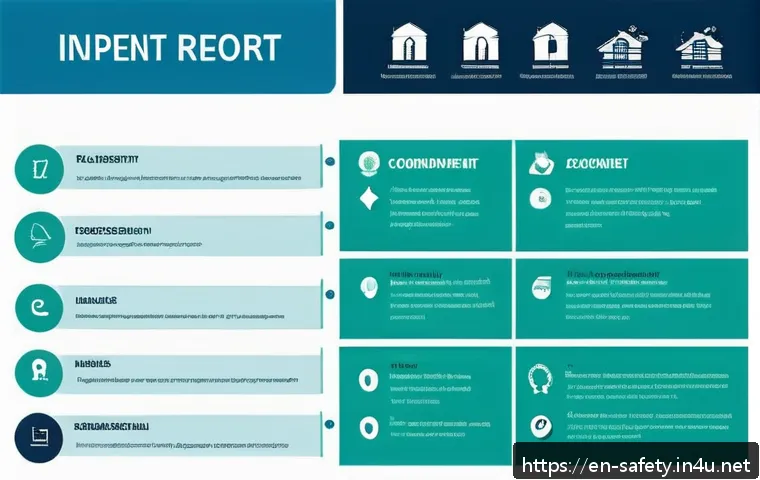
Raw numbers can be dull, but when presented well, they tell a compelling story. Using charts, heat maps, or simple tables to summarize incident statistics makes it easier for decision-makers to grasp the bigger picture quickly.
In my practice, combining narrative reports with visual data summaries has led to stronger buy-in from management for safety initiatives, because they can see the tangible evidence of risk areas and improvements.
Fostering a Culture of Transparent Reporting
Encouraging Honest and Timely Submissions
One of the biggest hurdles in safety reporting is overcoming fear of blame. People often hesitate to report incidents or near-misses because they worry about repercussions.
Creating an environment where employees feel safe and supported in sharing information openly is essential. From what I’ve observed, leaders who emphasize learning rather than punishment foster much higher reporting rates, which in turn leads to safer workplaces.
Training Teams on Effective Documentation
Even the best intentions won’t help if people don’t know how to document incidents properly. Offering regular training sessions that cover not just the mechanics of report writing but also why thorough documentation matters can empower employees at every level.
I’ve conducted workshops where interactive exercises and real-life examples make the process less daunting and more relatable, resulting in better quality reports and increased engagement.
Recognizing and Rewarding Reporting Efforts
Acknowledging individuals and teams who contribute detailed and timely reports reinforces positive behavior. Simple gestures like shout-outs during meetings or small incentives can boost morale and motivate ongoing participation.
From my experience, recognition programs that highlight the impact of good reporting on preventing injuries help embed safety as a shared value rather than just a compliance task.
Mastering Follow-Up and Continuous Improvement

Closing the Loop with Investigations
A report’s job isn’t done once it’s filed. Effective follow-up is critical to ensure root causes are identified and corrective actions are implemented.
I’ve seen organizations struggle when reports vanish into a black hole, leading to repeated incidents. Establishing clear procedures for timely investigation and feedback keeps momentum going and shows employees that their efforts truly matter.
Tracking Corrective Actions and Outcomes
Documenting what was done in response to an incident and monitoring its effectiveness creates accountability and drives continuous improvement. Using a simple tracking tool or software to log actions, responsible parties, and deadlines makes it easier to manage this process.
Personally, I keep a checklist that I review weekly to ensure no corrective measure slips through the cracks, which has helped my teams reduce repeat incidents significantly.
Sharing Lessons Learned Across the Organization
Knowledge gained from one incident should never stay siloed. Sharing findings through newsletters, safety meetings, or digital platforms spreads awareness and prevents others from making the same mistakes.
When I facilitate these communications, I focus on telling the story in a way that’s engaging and relatable, turning dry data into meaningful insights that stick with people.
Optimizing Incident Reporting Tools and Technology
Choosing User-Friendly Reporting Platforms
The best reporting system is one that people actually use. Complex or clunky tools discourage timely and accurate entries. In my experience, mobile-friendly apps with intuitive interfaces and built-in prompts help employees submit reports quickly, even on the go.
It’s worth investing time to evaluate different options and gather user feedback before rolling out a new tool.
Integrating Reporting with Other Safety Systems
Seamless integration between incident reporting and broader safety management software improves data consistency and streamlines workflows. For example, linking reports to training records or maintenance schedules creates a holistic view of workplace safety.
I’ve worked with companies that saw measurable efficiency gains after syncing their systems, reducing duplicate work and enhancing oversight.
Utilizing Automated Alerts and Reminders
Automation can be a game-changer for managing incident follow-up. Setting up alerts for overdue investigations or reminders for upcoming deadlines keeps everyone accountable without constant manual tracking.
From what I’ve observed, automation reduces administrative burdens and helps maintain momentum on safety initiatives, making the entire process smoother and more reliable.
Key Elements to Include in Every Incident Report
| Element | Purpose | Tips for Effectiveness |
|---|---|---|
| Incident Description | Provides a clear, factual account of what happened | Use specific details, avoid assumptions, include time and location |
| People Involved | Identifies who was affected or witnessed the event | List names and roles, note any injuries or immediate responses |
| Environmental Conditions | Highlights factors that may have contributed | Note lighting, weather, noise, equipment status |
| Immediate Causes | Pinpoints direct reasons for the incident | Focus on actions or failures leading up to the event |
| Contributing Factors | Uncovers underlying issues or systemic problems | Consider training gaps, supervision, workload, or maintenance |
| Corrective Actions | Documents steps taken or planned to prevent recurrence | Be specific about who is responsible and timelines |
| Follow-Up Status | Tracks progress on investigations and improvements | Update regularly and communicate outcomes to stakeholders |
In Conclusion
Effective incident reporting is a vital tool for improving workplace safety and preventing future accidents. By focusing on clear communication, accurate details, and timely follow-up, organizations can turn each report into a valuable learning opportunity. From my experience, a well-crafted report not only supports swift action but also builds trust among teams. Embracing best practices in documentation ultimately strengthens the safety culture for everyone involved.
Helpful Information to Keep in Mind
1. Always prioritize clarity and specificity when describing incidents to avoid misunderstandings and ensure effective responses.
2. Organize reports logically, starting with key facts before delving into causes and corrective actions, to enhance readability.
3. Use visuals like photos or diagrams to complement text and make complex situations easier to grasp.
4. Encourage a blame-free environment that motivates honest and timely reporting from all employees.
5. Leverage technology and automation to streamline reporting processes and maintain momentum on follow-up actions.
Key Takeaways
Accurate and detailed incident reports are essential for identifying root causes and preventing recurrence. Ensuring reports are concise yet comprehensive, supported by relevant visuals and data, significantly improves understanding and decision-making. Cultivating a culture of transparency and continuous improvement, backed by user-friendly tools and consistent follow-up, transforms incident reporting from a routine task into a strategic safety advantage. Remember, the goal is not just to document what happened, but to drive meaningful change that protects everyone.
Frequently Asked Questions (FAQ) 📖
Q: Why is detailed safety incident reporting so important in today’s workplaces?
A: Detailed safety incident reporting is vital because it helps identify root causes of accidents and near-misses, enabling organizations to implement preventive measures before problems escalate.
In today’s fast-paced environments, quick and accurate documentation ensures compliance with regulations and demonstrates a commitment to employee wellbeing.
From my experience, thorough reports also build trust among workers, showing that their safety concerns are taken seriously, which ultimately fosters a safer workplace culture.
Q: What are some effective strategies for capturing safety incidents accurately?
A: The key is to document incidents as soon as possible while the details are fresh. Use clear, objective language and include all relevant facts—who was involved, what happened, where, when, and how.
Incorporating photos or diagrams can also be extremely helpful. I’ve found that using standardized forms or digital reporting tools improves consistency and makes it easier to analyze trends over time.
Also, encouraging employees to report near-misses, not just accidents, gives a fuller picture of workplace risks.
Q: How can incident reports be used beyond compliance to improve overall workplace safety?
A: Incident reports are more than just paperwork for regulators—they’re a goldmine for continuous improvement. By regularly reviewing reports, safety teams can spot patterns or recurring hazards and address them proactively.
Sharing lessons learned from incidents with the entire workforce raises awareness and promotes safer behaviors. From what I’ve seen, organizations that turn reporting into a learning opportunity create an environment where safety becomes everyone’s responsibility, not just a checkbox.