In today’s fast-paced work environments, ensuring safety training truly sticks can be a real challenge. With evolving regulations and increasing workplace risks, finding ways to engage employees meaningfully is more crucial than ever.

From personal experience, I’ve seen how innovative approaches can transform dull sessions into impactful learning moments. This post dives into proven strategies that not only boost engagement but also help your team retain vital safety knowledge long-term.
Stick around, because mastering these techniques could make all the difference in creating a safer, smarter workplace.
Creating Interactive Learning Experiences
Leveraging Hands-On Activities to Reinforce Concepts
When it comes to safety training, the old “sit and listen” method often falls flat. From my experience, incorporating hands-on activities changes the game entirely.
For example, setting up mock emergency drills or simulation exercises gives employees a chance to practice real-life scenarios rather than just hearing about them.
This active participation not only breaks the monotony but also helps embed the procedures deeply into their memory. I remember a session where we ran a fire evacuation drill; the employees were noticeably more confident afterward because they’d physically gone through the motions, not just imagined them.
Utilizing Technology to Enhance Engagement
Technology can be your best ally in making safety training more dynamic. Interactive e-learning platforms, VR simulations, and mobile apps allow employees to engage with the material anytime, anywhere.
Personally, I found that VR scenarios, where users respond to virtual hazards, boost retention dramatically because they simulate stress and decision-making in a safe environment.
Plus, gamification elements like quizzes and leaderboards add a layer of friendly competition that keeps people coming back for more. This blend of fun and learning is key to sustaining interest over time.
Encouraging Peer Learning and Group Discussions
People often learn best from each other, especially when it comes to practical topics like safety. Facilitating group discussions and peer-to-peer sharing sessions can uncover insights that formal training might miss.
I’ve seen teams bond over sharing near-miss experiences or brainstorming hazard prevention ideas together. These conversations create a culture of safety awareness that extends beyond training sessions, making safety a collective responsibility rather than a checklist item.
Tailoring Content to Diverse Learning Styles
Understanding Visual, Auditory, and Kinesthetic Preferences
Not everyone absorbs information the same way, so one-size-fits-all training rarely hits the mark. In my experience, blending visual aids like infographics and videos with auditory elements such as podcasts or narrated presentations caters to multiple senses.
For kinesthetic learners, interactive tasks or role-playing exercises are essential. Recognizing these differences and designing content accordingly ensures no one is left behind, which ultimately leads to better retention and safer behaviors.
Personalizing Training for Different Job Roles
Safety risks vary widely depending on the role and environment. When I helped redesign a training program, segmenting content based on job functions made a huge difference.
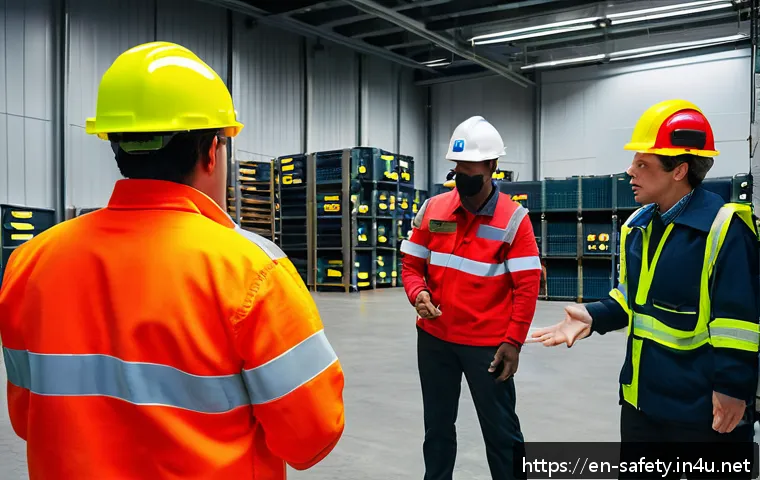
For example, office workers needed different safety tips compared to warehouse staff. Tailored modules that address specific hazards, equipment use, and emergency procedures relevant to each group feel more practical and immediately applicable.
This relevance keeps employees engaged because they see the direct impact on their daily work.
Continuous Assessment and Feedback Integration
Regularly checking understanding through quizzes, practical tests, or verbal feedback loops is crucial. I’ve noticed that when employees receive immediate, constructive feedback, they’re more motivated to improve.
Plus, trainers can identify common gaps and adjust the curriculum accordingly. This ongoing cycle of assessment and refinement helps maintain high training standards and ensures safety knowledge stays fresh.
Building a Safety-First Culture Through Leadership
Modeling Safe Behaviors from the Top Down
Leadership commitment sets the tone for the entire organization. When managers actively participate in safety training and consistently demonstrate safe practices, employees take notice.
In one company I worked with, the CEO’s involvement in safety drills sent a powerful message that safety wasn’t just lip service but a core value. This visible endorsement encourages everyone to prioritize safety in their daily routines.
Recognizing and Rewarding Safe Practices
Positive reinforcement goes a long way. Celebrating individuals or teams who follow safety protocols or come up with innovative safety ideas builds morale and encourages others to follow suit.
I’ve seen reward programs—ranging from simple shout-outs to tangible incentives—dramatically increase participation and attentiveness in training. It creates an environment where safety is appreciated and rewarded, not just enforced.
Open Communication Channels for Safety Concerns
Creating safe spaces where employees feel comfortable reporting hazards or near misses without fear of reprimand is vital. I’ve experienced firsthand how open-door policies and anonymous reporting tools empower workers to share critical safety insights.
This transparency helps organizations address issues proactively and demonstrates that every voice matters in maintaining a safe workplace.
Incorporating Real-World Scenarios for Practical Understanding
Using Case Studies to Illustrate Consequences
Nothing drives a point home better than real stories. Sharing case studies about accidents or near misses relevant to your industry helps employees connect the dots between theory and real-world outcomes.

When I presented a detailed analysis of a machinery accident, the group was visibly more attentive, asking questions and reflecting on how to avoid similar incidents.
This approach makes the risks tangible and motivates safer behavior.
Encouraging Scenario-Based Problem Solving
Interactive problem-solving exercises where teams brainstorm responses to hypothetical situations engage critical thinking. I recall facilitating a session where employees had to devise escape plans for various emergencies.
This not only reinforced procedural knowledge but also fostered teamwork and quick decision-making skills, both essential in actual emergencies.
Linking Scenarios to Company Policies and Procedures
It’s important to bridge scenario lessons directly to the company’s safety protocols. After discussing a scenario, reviewing how the established procedures apply helps solidify understanding and compliance.
This connection reassures employees that policies aren’t arbitrary but practical tools designed to protect them.
Measuring Training Effectiveness and Making Improvements
Tracking Key Performance Indicators (KPIs)
To know if your safety training is hitting the mark, you need clear metrics. Common KPIs include incident rates, near-miss reports, and training completion rates.
From my experience, tracking these over time reveals trends and highlights areas needing attention. For instance, a drop in incident reports might indicate improved safety awareness, while stagnant completion rates suggest engagement issues.
Gathering Employee Feedback Post-Training
Direct feedback from participants offers invaluable insights. I always recommend anonymous surveys or focus groups to gauge how well the training met employee needs and where it fell short.
Honest feedback helps tailor future sessions to be more relevant and engaging, which ultimately improves overall effectiveness.
Implementing Continuous Improvement Cycles
Safety training isn’t a “set it and forget it” task. Incorporating a cycle of planning, delivering, evaluating, and refining ensures the program evolves with changing workplace dynamics and regulations.
I’ve found that organizations embracing this mindset stay ahead of risks and maintain a high level of safety culture year-round.
Essential Elements of Engaging Safety Training
| Element | Description | Impact on Engagement |
|---|---|---|
| Interactive Activities | Hands-on drills, role-playing, simulations | Enhances retention by involving learners actively |
| Technology Integration | VR, mobile apps, gamified quizzes | Increases accessibility and motivation |
| Personalization | Tailored content by job role and learning style | Boosts relevance and practical application |
| Leadership Involvement | Management participation and role modeling | Sets organizational tone and encourages buy-in |
| Real-World Scenarios | Case studies and problem-solving exercises | Makes training relatable and memorable |
| Continuous Feedback | Regular assessments and employee surveys | Allows ongoing improvement and higher quality |
Conclusion
Creating engaging and effective safety training requires a thoughtful blend of interactive methods, technology, and leadership involvement. From my experience, tailoring content to diverse learners and continuously refining the program based on feedback makes a significant difference. When safety becomes a shared value and practice, everyone benefits from a safer workplace.
Helpful Information
1. Incorporate hands-on activities to deepen understanding and boost retention.
2. Use technology like VR and gamification to make learning accessible and fun.
3. Customize training content based on job roles and individual learning preferences.
4. Encourage leadership to actively model and support safety behaviors.
5. Implement regular assessments and feedback loops to improve training quality continuously.
Key Takeaways
Effective safety training is not a one-time event but an evolving process that adapts to workplace needs and employee feedback. Prioritizing active engagement, personalization, and leadership commitment fosters a culture where safety is genuinely valued. By integrating real-world scenarios and continuous improvement, organizations can ensure that safety knowledge is practical, memorable, and consistently applied.
Frequently Asked Questions (FAQ) 📖
Q: uestionsQ1: How can I make safety training more engaging for employees who find it boring?
A: From my experience, the key is to mix up the delivery methods. Instead of just lectures, incorporate interactive elements like quizzes, real-life scenarios, and hands-on demonstrations.
Using storytelling to show the real impact of safety lapses also grabs attention. When employees see how safety applies directly to their daily work, their interest naturally spikes.
Q: What strategies help employees retain safety information long-term?
A: Repetition combined with practical application works wonders. I’ve found that breaking training into smaller, regular sessions rather than one big event helps embed knowledge better.
Also, follow-up activities like refresher courses, on-the-job coaching, and easy-to-access reference materials reinforce learning. When employees practice what they’ve learned soon after training, retention improves significantly.
Q: How do evolving safety regulations affect training approaches?
A: Staying updated with regulations is essential, but it’s equally important to translate those rules into relatable content. I’ve noticed that when training highlights not just what the rules are but why they matter—using real examples and consequences—employees are more motivated to comply.
Plus, integrating the latest regulations into ongoing training keeps everyone on the same page and helps prevent complacency.