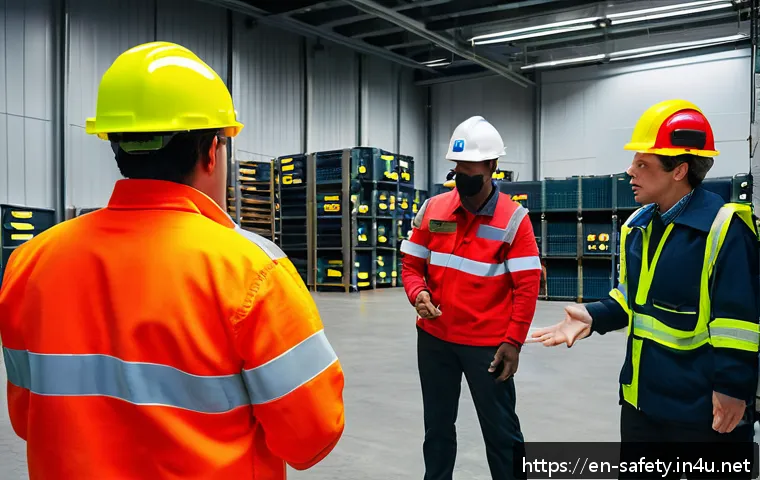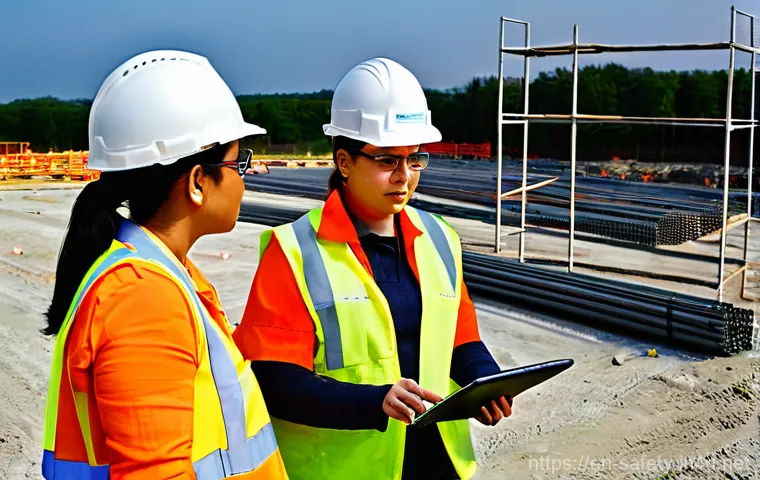
It’s easy to think of a safety checklist as just another bureaucratic hurdle, right? But having spent years diving deep into workplace safety, and even seeing its impact firsthand, I can tell you it’s so much more than a tick-box exercise.
With new challenges emerging daily for our incredible field workers, from unpredictable weather to ever-evolving equipment, staying ahead of the curve is absolutely crucial.
A truly effective checklist isn’t just about avoiding accidents; it’s about fostering a culture where everyone feels secure and empowered. Let’s make sure our on-site heroes have the cutting-edge tools and knowledge they need to come home safe every single day.
We’ll explore this accurately in the following post.
Empowering Our Frontline Heroes: Beyond a Simple Manual
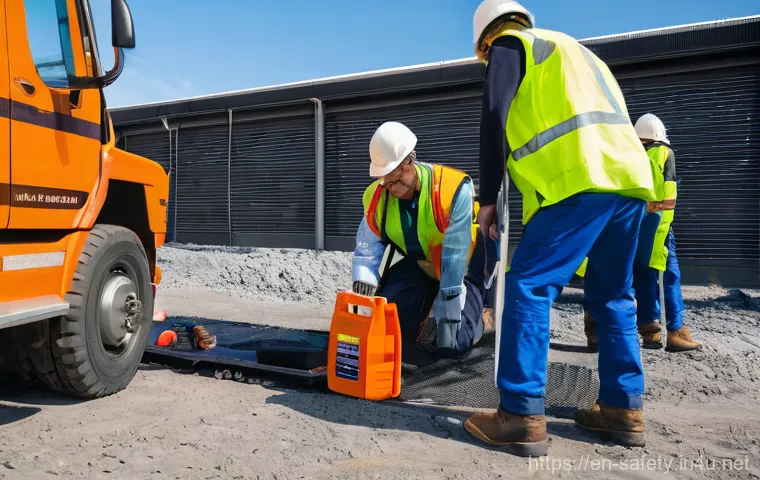
Shifting Mindsets: From Compliance to Proactive Care
It’s easy to fall into the trap of viewing safety as just a set of rules to follow, a list of boxes to tick before you can get on with the “real” work.
Believe me, I’ve been there, thinking that if I just memorized the manual, I was good to go. But what I’ve learned, often through firsthand experiences and even a few close calls that made my heart pound, is that true safety goes so much deeper.
It’s about cultivating a mindset where every single person on site, from the most seasoned veteran to the newest recruit, actively thinks about risks and solutions.
It’s about moving from a reactive “Oops, that almost happened” to a proactive “How can we make sure that never even gets close to happening?” This isn’t just about avoiding fines or meeting some external standard; it’s about valuing human life and ensuring everyone returns home safe to their families at the end of the day.
When we shift our focus from mere compliance to genuinely proactive care, we start seeing the bigger picture, recognizing subtle dangers before they escalate.
It feels different, more empowering, when you know you’re not just following orders but actively contributing to a safer environment for everyone. It’s a game-changer, really.
The Power of Voice: Encouraging Open Communication
One of the most profound lessons I’ve absorbed over the years is the sheer power of an open dialogue when it comes to workplace safety. Think about it: who knows the day-to-day hazards better than the folks actually out there, boots on the ground, performing the work?
Absolutely no one. I’ve seen countless situations where a quiet observation from a field worker, initially dismissed as minor, turned out to be a critical insight that prevented a major incident.
That’s why fostering an environment where everyone feels completely comfortable speaking up, without fear of judgment or reprisal, is absolutely non-negotiable.
Whether it’s flagging a faulty piece of equipment, questioning an unclear procedure, or even just suggesting a better way to tackle a task more safely, every voice matters.
It’s not just about reporting incidents; it’s about pre-reporting potential issues. I remember a time early in my career when I hesitated to point out a tripping hazard because I felt like the “newbie” and didn’t want to seem difficult.
That hesitation, thankfully, didn’t lead to an accident then, but it taught me a valuable lesson: silence can be far more dangerous than speaking up. Leaders have a massive role here, creating avenues for anonymous feedback if necessary, and more importantly, actively listening and responding to concerns, showing that every contribution is genuinely valued and acted upon.
It builds an incredible sense of trust and collective responsibility.
Decoding the Environment: Spotting Hidden Hazards Before They Strike
Pre-Shift Rituals: The Art of Site Assessment
Before any work even begins, before the tools come out and the engines start humming, there’s a vital ritual that seasoned field workers swear by: a thorough site assessment.
It’s not just a quick glance around; it’s an almost meditative scan, taking in every detail of the work area. I’ve trained countless new hires, and I always tell them to look beyond the obvious.
Is that ladder properly secured? Is the ground stable enough for the heavy machinery? Are there any overhead power lines that could pose a risk?
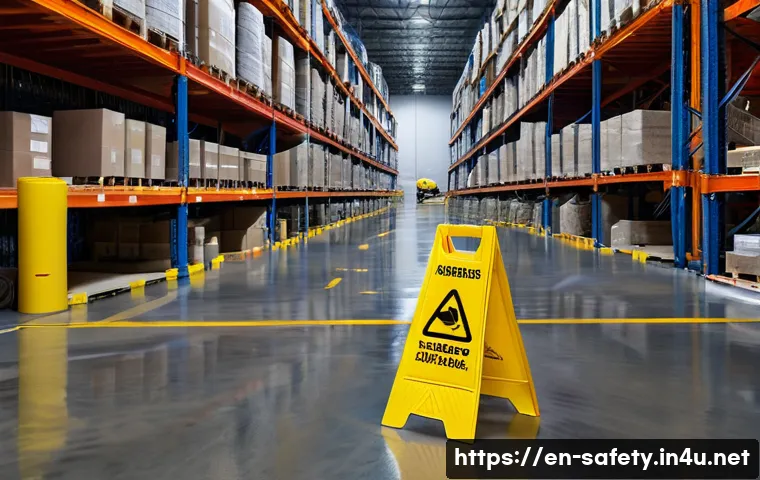
What about pedestrian traffic or other teams working nearby? Sometimes, the biggest dangers are the ones you don’t immediately see – the subtle shifts in terrain, the almost imperceptible crack in a surface, or the unexpected presence of a new obstruction.
My own routine involves a mental checklist, honed over years, that covers everything from potential slip-and-fall hazards to adequate lighting and ventilation.
It’s about developing an almost sixth sense for danger, constantly asking “what if?” and visualizing potential accident scenarios before they ever have a chance to materialize.
This pre-shift assessment isn’t just a formality; it’s your first line of defense, a proactive step that can literally make the difference between a productive day and an emergency.
It’s a habit that every professional should cultivate and perfect, making it as natural as buckling your seatbelt.
Adapting to the Unpredictable: Weathering All Conditions
Working outdoors means constantly battling Mother Nature, and let me tell you, she can be incredibly unpredictable. I’ve been on sites where the morning started bright and clear, only to be hit by a sudden downpour, a blistering heatwave, or even an unexpected cold snap by midday.
Adapting to these ever-changing environmental conditions isn’t just good practice; it’s absolutely critical for survival and safety. You need to be prepared for everything.
This isn’t just about dressing appropriately, although that’s a huge part of it – think layering for cold, breathable fabrics for heat, and reliable waterproof gear for rain.
It’s also about understanding how different weather conditions impact your equipment, your work surface, and even your own physical and mental state. High winds can make working at heights incredibly dangerous; heavy rain turns pathways into slippery death traps; extreme heat leads to fatigue, dehydration, and heatstroke, dulling your focus and increasing the risk of errors.
I remember one scorching summer day when a colleague, despite drinking water, started showing signs of heat exhaustion. We immediately stopped work, got him into the shade, and cooled him down.
That experience really hammered home the fact that you can’t just power through; you have to respect the elements and know when to adapt, take breaks, or even halt operations entirely.
Having a clear plan for various weather scenarios is non-negotiable.
Gearing Up for Success: Smart Tools and Essential Tech
The Right Fit: Personal Protective Equipment (PPE) Essentials
Alright, let’s talk about PPE – Personal Protective Equipment. It sounds straightforward, right? Hard hat, safety glasses, steel-toed boots, maybe some gloves.
But honestly, it’s so much more nuanced than that. The “right fit” isn’t just about size; it’s about having the *right* equipment for the *specific* task at hand, and ensuring it’s properly maintained.
I’ve seen people try to make do with ill-fitting gloves or scratched safety glasses, thinking it’s “good enough,” and that’s precisely when accidents happen.
Your PPE is your last line of defense, your personal shield against hazards. Take a moment to think about the type of work you’re doing: Are you exposed to falling objects?
Chemical splashes? Extreme temperatures? Each scenario demands a particular type of protection.
I’ve learned to inspect my gear religiously before every shift. Is my hard hat free of cracks? Are my gloves intact?
Are my safety boots still offering adequate protection? It’s not just about wearing it; it’s about *trusting* it, and you can only trust it if you know it’s in top condition and suitable for the job.
Investing in high-quality, comfortable PPE that encourages consistent use is also key. After all, the best PPE in the world does absolutely no good if it’s left in the locker.
Leveraging Technology: From Smart Sensors to Wearables
The world of safety isn’t stagnant; it’s constantly evolving, and technology is playing an increasingly pivotal role. When I first started out, safety relied heavily on observation and checklists, which are still vital, but now we have an arsenal of smart tools at our disposal that are truly revolutionizing how we protect field workers.
We’re talking about everything from smart sensors that detect hazardous gases or unsafe structural conditions in real-time to wearable tech that monitors a worker’s heart rate, fatigue levels, or even detects a fall and automatically alerts emergency services.
I’ve personally seen the impact of proximity sensors on heavy machinery, preventing collisions that could have been devastating. GPS trackers aren’t just for logistics anymore; they can pinpoint a worker’s location in an emergency, shaving precious minutes off response times.
Drones are being used for aerial inspections of hard-to-reach or dangerous areas, keeping humans out of harm’s way. Embracing these innovations isn’t about replacing human judgment; it’s about augmenting it, providing an extra layer of protection and data-driven insights that help us make smarter, faster safety decisions.
It’s an exciting time to be in the field, knowing that cutting-edge technology is constantly being developed to help us all come home safe.
Building a Bulletproof Culture: Safety as a Shared Value
Training That Sticks: Engaging and Effective Programs
Let’s be honest, we’ve all sat through those long, tedious safety training sessions that feel more like a chore than a learning opportunity. You know the ones – endless slides, monotone voices, and information that just doesn’t seem relevant to your actual job.
I’ve certainly endured my share! But what I’ve discovered is that truly effective safety training isn’t just about ticking a box; it’s about creating an engaging, interactive experience that genuinely resonates with people and, most importantly, *sticks*.
This means moving beyond dry lectures and incorporating hands-on exercises, real-life case studies, and opportunities for practical application. Role-playing emergency scenarios, dissecting near-miss incidents as a team, or even bringing in guest speakers who have experienced the consequences of unsafe practices can be incredibly impactful.
The goal isn’t just to impart knowledge but to change behavior and foster a deep understanding of *why* safety protocols are in place. When training feels relevant, dynamic, and respects the experience of the learners, that’s when it transforms from a bureaucratic requirement into a powerful tool for building a genuinely safe work environment.
It’s about making sure that the lessons learned aren’t forgotten the moment you step back onto the job site.
Leadership by Example: Walking the Safety Talk
You can have the most meticulously crafted safety policies, the most cutting-edge equipment, and the most comprehensive training programs, but if leadership isn’t genuinely committed to safety, it all falls flat.
This is something I’ve observed countless times throughout my career. True safety culture is built from the top down, through consistent, visible leadership by example.
When a supervisor or manager always wears their PPE, even for a quick visit to the site, it sends a powerful message. When they actively participate in safety briefings, ask questions, and genuinely listen to concerns, it shows that safety isn’t just a buzzword – it’s a core value.
I remember a project manager who would regularly stop work for five minutes just to address a perceived safety risk, explaining his reasoning clearly and ensuring everyone understood.
That kind of action speaks volumes, far more than any memo or policy document ever could. Conversely, I’ve also seen cultures where leaders cut corners, ignored protocols, or prioritized speed over safety, and the negative impact on worker morale and incident rates was almost immediate and always detrimental.
It’s about authenticity; workers are incredibly perceptive and can quickly tell if safety is truly valued or just given lip service. Leadership that walks the safety talk inspires trust, respect, and a collective commitment to keeping everyone safe.
Responding When It Matters Most: Emergency Preparedness
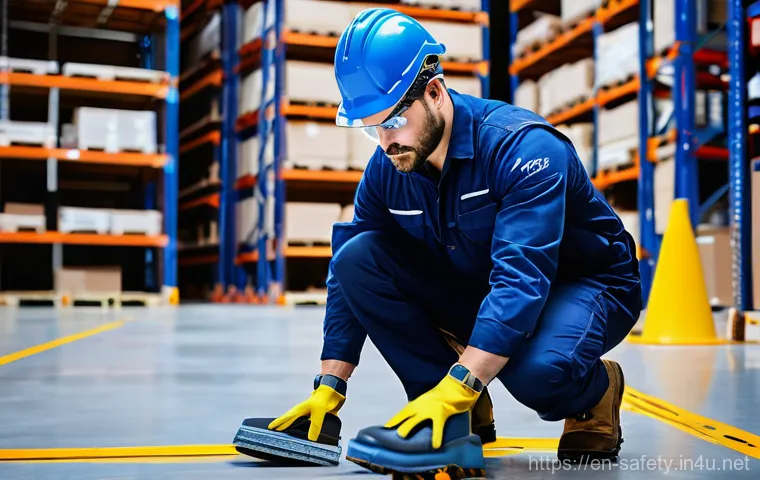
Drill It Down: Practicing for the Unexpected
It’s a tough truth, but no matter how many precautions you take, emergencies can and sometimes do happen. And when they do, seconds can literally make the difference between a minor incident and a catastrophic one.
That’s why emergency preparedness isn’t just about having a plan; it’s about drilling that plan down until it becomes second nature. Think fire drills, evacuation procedures, first aid scenarios – these aren’t just inconvenient interruptions; they are vital rehearsals for when the real thing hits.
I’ve participated in countless drills, and while they can feel a bit staged, the muscle memory and clarity they create are invaluable. Knowing exactly where your muster point is, understanding the nearest escape routes, or confidently operating an emergency shut-off switch under pressure – these are skills that save lives.
I remember one particular drill where we simulated a chemical spill. The initial response was chaotic, but after reviewing and practicing several times, the team’s coordination became seamless.
It highlighted how practice exposes weaknesses in a plan and strengthens collective response. You never want to be caught off guard, scrambling to figure things out when panic starts to set in.
Regular, realistic drills ensure that when chaos erupts, your team can act calmly, decisively, and effectively.
First Aid Fundamentals: Every Second Counts
Beyond grand emergency plans, there’s a more immediate, personal level of preparedness that every field worker should possess: basic first aid knowledge.
In those critical moments immediately following an injury, before professional medical help arrives, knowing how to administer basic first aid can be life-saving.
I’m not talking about performing surgery here, but knowing how to stop severe bleeding, stabilize a fracture, deal with burns, or even perform CPR can make an enormous difference.
I’ve personally been in a situation where a colleague suffered a deep cut, and because someone on site knew how to apply direct pressure and elevate the wound, we were able to control the bleeding until paramedics arrived.
That experience burned into me the importance of these skills. It’s not just about helping others; it’s also about knowing how to assess your own injuries and react appropriately if you’re the one in need.
Regular refresher courses are crucial, as techniques and best practices evolve. This isn’t just about compliance; it’s about developing the confidence and competence to act decisively when someone’s well-being is on the line.
Every field worker should see first aid training as an essential tool in their safety arsenal.
The Human Factor: Ergonomics, Fatigue, and Mental Wellbeing
Body Mechanics: Preventing Strain and Injury
Let’s get real about how our bodies work, especially when we’re constantly pushing them in demanding field environments. We often focus on the big, dramatic accidents, but countless injuries arise from repetitive strain, improper lifting, or awkward postures that slowly, insidiously, wear down our bodies.
This is where ergonomics comes in – it’s the science of designing the workplace and tasks to fit the worker, not the other way around. I’ve learned, sometimes the hard way, that ignoring proper body mechanics is a recipe for chronic pain and long-term injury.
Think about how you lift that heavy object: are you squatting with your legs, keeping your back straight, or are you bending over at the waist, putting immense strain on your spine?
Are your tools designed to minimize vibration and provide a comfortable grip? Are you taking regular micro-breaks to stretch and change positions? These seemingly small details accumulate over time.
I remember battling persistent back pain early in my career until an experienced mentor showed me simple techniques for lifting and reaching that completely transformed how I approached physical tasks.
It’s about working smarter, not just harder, to protect your most valuable asset – your body. Prioritizing ergonomic principles isn’t a luxury; it’s a fundamental aspect of sustainable long-term health for field workers.
Beyond Physical: Supporting Mental Health on Site
When we talk about safety, our minds often jump straight to hard hats, harnesses, and physical hazards. But in my years of experience, I’ve come to understand that mental wellbeing is just as critical, if not more so, for overall safety.
Field work can be incredibly demanding, not just physically but mentally. Long hours, isolation, high-pressure situations, dealing with unpredictable conditions, and the constant need to stay alert can take a significant toll.
Stress, anxiety, and fatigue can impair judgment, slow reaction times, and increase the likelihood of errors, turning an otherwise safe situation into a dangerous one.
I’ve seen colleagues struggle in silence, trying to tough it out, and it’s heartbreaking. Creating an environment where mental health is openly discussed, where seeking support is encouraged rather than stigmatized, is absolutely essential.
This means providing access to mental health resources, promoting work-life balance, and encouraging team members to look out for each other, recognizing signs of distress.
It’s about fostering a culture of empathy and understanding. Just like we’d never ignore a physical injury, we shouldn’t ignore the silent struggles happening beneath the surface.
Supporting mental health isn’t just about being a good employer; it’s a crucial component of a truly holistic safety program that ensures our frontline heroes are healthy and whole, inside and out.
Continuous Evolution: Keeping Safety Sharp and Relevant
Feedback Loops: Learning from Every Incident (and Near Miss)
One of the most powerful tools for continuous safety improvement isn’t found in a manual, but in the practice of rigorously analyzing what went wrong, and just as importantly, what *almost* went wrong.
I’m talking about establishing robust feedback loops that allow us to learn from every incident and every “near miss.” It’s incredibly tempting to just breathe a sigh of relief after a near miss and move on, but that’s a lost opportunity.
These moments are goldmines of information, revealing weaknesses in procedures, equipment, or training that we might not have otherwise noticed. I always push for open, blameless reporting when something goes awry.
The goal isn’t to point fingers, but to understand the root causes and implement effective preventative measures. My own team holds regular debriefs after any incident or significant near miss, creating an open forum for discussion.
We ask: What happened? Why did it happen? What could have prevented it?
What can we do differently next time? This commitment to learning and adapting ensures that our safety protocols aren’t static; they’re living, breathing documents that constantly evolve based on real-world experience.
It’s a proactive approach that ensures we never repeat the same mistakes, making our workplaces safer with every lesson learned.
Innovation in Safety: Embracing New Best Practices
The world is constantly changing, and so too should our approach to safety. What was considered a “best practice” five or ten years ago might be outdated or even inefficient today.
To truly lead in safety, we have to embrace a spirit of continuous innovation, always seeking out and adopting new best practices. This means staying informed about the latest research in occupational health and safety, exploring new technologies as they emerge, and actively participating in industry forums and discussions.
It’s about being proactive in adapting to new types of equipment, new construction methods, or even new environmental regulations. I make it a point to regularly attend industry conferences and workshops, not just to network, but specifically to learn about the cutting edge of safety.
Whether it’s a new type of ergonomic tool, an advanced safety harness material, or a fresh perspective on risk assessment methodologies, integrating these innovations can significantly enhance worker protection.
It’s a mindset that says, “We’re good, but we can always be better.” This relentless pursuit of improvement ensures that our field workers are not just protected by current standards, but are at the forefront of safety, benefiting from the very best the industry has to offer.
It’s an ongoing journey, not a destination.
| Hazard Category | Common Examples in Field Work | Proactive Mitigation Strategies |
|---|---|---|
| Falls from Height | Unsecured ladders, unprotected edges, unstable scaffolding, roof work | Full body harnesses, guardrails, safety nets, ladder inspections, proper training for elevated work platforms |
| Struck-By Incidents | Moving vehicles, falling objects, swinging loads, projectiles from tools | High-visibility PPE, spotters, exclusion zones, proper load securing, equipment maintenance, hard hats |
| Caught-Between Incidents | Moving machinery parts, collapsing trenches, equipment rollovers, materials falling between objects | Lockout/tagout procedures, trench shoring, maintaining safe distances from heavy machinery, secure stacking of materials |
| Electrical Hazards | Exposed wires, damaged insulation, faulty equipment, working near power lines, improper grounding | Insulated tools, lockout/tagout procedures, ground fault circuit interrupters (GFCIs), overhead power line awareness training, proper use of extension cords |
| Environmental Exposure | Extreme heat/cold, hazardous weather (storms, high winds), toxic fumes, biological agents, loud noise | Hydration breaks, appropriate layered clothing, weather monitoring, respirators, hearing protection, proper ventilation |
| Ergonomic Risks | Repetitive motions, heavy lifting, awkward postures, prolonged standing or bending | Mechanical aids for lifting, ergonomic tool selection, regular stretching, job rotation, proper lifting techniques training |
Concluding Thoughts
Whew, we’ve covered a lot, haven’t we? It’s truly amazing how many layers there are to ensuring safety in the field. From that crucial shift in mindset, moving beyond just ticking boxes to truly caring, to harnessing the latest tech and fostering a culture where every voice matters – it all weaves together to create a workplace where everyone feels valued and protected. My journey has taught me that safety isn’t a destination; it’s a continuous, evolving commitment, a shared responsibility that makes all the difference. Knowing that we’re all looking out for each other, constantly learning and improving, is what makes me truly proud of the work we do.
Helpful Tips You’ll Want to Remember
1. Always trust your gut feeling: If something feels off, it probably is. Never hesitate to pause, reassess, and speak up if you spot a potential hazard, no matter how minor it seems. Your intuition is a powerful safety tool, and ignoring it is simply not worth the risk. It’s saved me from a few tricky situations over the years.
2. Treat PPE like your personal superhero gear: Don’t just wear it; understand *why* you’re wearing it and ensure it’s always in top condition and fits properly. It’s your last line of defense, so give it the respect it deserves. A quick check before your shift can prevent a world of pain, believe me!
3. Become a master of your surroundings: Develop that ‘sixth sense’ for hazards. Before you even start work, take a few extra minutes to scan your environment, identify potential risks, and plan how you’ll mitigate them. This proactive approach is a game-changer and can truly prevent incidents before they even begin to unfold.
4. Keep your first aid skills sharp: You never know when you might need them, either for yourself or a colleague. Regular refreshers on basic first aid, CPR, and how to handle common injuries can make all the difference in those critical first few minutes of an emergency. It’s a skill every field worker should be proud to possess.
5. Embrace learning, always: Safety protocols and technologies are always evolving. Stay curious, participate actively in training, and be open to new best practices. The more you know, and the more you adapt, the safer you and your entire team will be. It’s an ongoing journey of knowledge, and it pays dividends for everyone.
Key Takeaways
Ultimately, what truly drives an effective safety program isn’t just a thick binder of rules; it’s the genuine, collective commitment from every single person on site. We’ve seen how a proactive mindset, rather than a reactive one, transforms how we approach risks, turning potential dangers into avoided incidents. Open communication, where every voice is heard and valued, empowers everyone to contribute to a safer environment. Furthermore, leveraging technology wisely and ensuring our personal protective equipment is always on point provides those crucial layers of defense we all rely on. But let’s not forget the human element: understanding body mechanics, prioritizing mental wellbeing, and continuously refining our emergency preparedness through drills are foundational to sustained safety. Leadership by example, where safety isn’t just talked about but visibly practiced, cultivates an authentic culture of care. Finally, a relentless pursuit of learning, fueled by feedback from every incident and an eagerness to embrace innovation, ensures that our safety protocols remain sharp, relevant, and effective, always evolving to protect our invaluable frontline heroes.
Frequently Asked Questions (FAQ) 📖
Q: Why should we view safety checklists as more than just a regulatory burden or a quick ‘tick-box’ exercise?
A: Oh, I totally get why it’s easy to see them that way, especially when you’re swamped with paperwork. We’ve all been there, right? But from my years in the field, watching how things unfold, I’ve realized something profound: a truly effective safety checklist isn’t just about avoiding fines or meeting some minimum standard.
It’s really about being proactive, not reactive, when it comes to our most valuable asset – our people. Think about it: when you’re out there, whether it’s pouring rain or you’re wrestling with a new piece of tech, that checklist becomes your personal guardian angel.
It prompts you to take a second, to assess, to make sure you haven’t missed anything crucial. I’ve personally seen situations where a quick double-check, inspired by a checklist item, prevented a minor mishap from becoming a serious injury.
It creates a habit of mindfulness, ensuring that every single person, from the newest hire to the seasoned veteran, approaches their tasks with a conscious awareness of potential risks.
It’s about empowering everyone to pause, think, and make the safest choice, every single time, which ultimately builds a foundation of trust and shared responsibility.
Q: How can safety checklists effectively adapt to the constantly changing challenges faced by field workers, like unpredictable weather or new equipment?
A: This is such a brilliant question, and honestly, it’s one I’ve grappled with myself. The world of field work never stands still, does it? One day you’re dealing with a sudden blizzard, the next you’re introducing cutting-edge machinery that nobody’s used before.
The key here, from my experience, isn’t to have a single, rigid checklist that never changes. That’s a recipe for disaster! Instead, think of your checklist as a living, breathing document.
It needs to be regularly reviewed and updated based on real-world feedback. For unpredictable weather, for example, a general “check weather conditions” might evolve into specific prompts like “Are ice mitigation procedures in place?” or “Is wind speed within safe operating limits for this equipment?” When new equipment comes in, the team using it should be involved in tailoring the checklist – asking, “What are the unique hazards here?
What new safety protocols do we need?” I’ve found that involving the actual field workers in these updates not only ensures the checklist is practical and relevant but also boosts their buy-in.
When people feel heard and know their input directly improves safety, they’re far more likely to embrace and utilize the tools provided. It’s about agility and collaboration, making sure our “on-site heroes” always have the most relevant game plan for whatever the day throws at them.
Q: Beyond just preventing accidents, how does an effective safety checklist genuinely contribute to fostering a secure and empowered workplace culture?
A: This gets right to the heart of what safety truly means to me! Preventing accidents is, of course, paramount, but a truly stellar safety checklist goes so much deeper.
It’s about building a culture where everyone feels genuinely valued and protected, not just told what to do. When a company invests time and resources into creating comprehensive, user-friendly checklists, it sends a clear message: “We care about you.
Your well-being is our top priority.” This isn’t just some corporate slogan; it’s tangible evidence. From my perspective, when field workers consistently use and contribute to these checklists, it fosters a sense of shared ownership.
They become active participants in their own safety and the safety of their teammates. This empowerment reduces anxiety, knowing they have a clear framework to fall back on, especially when facing high-pressure situations.
I’ve observed that when workers feel secure and empowered, they’re more confident, more engaged, and ultimately, more productive. It’s a positive feedback loop: better checklists lead to safer workers, which leads to a more confident and effective team.
It truly transforms safety from a chore into an integral, respected part of the workday, making everyone feel more secure and, frankly, happier about coming to work.