Ah, the construction site! It’s a world buzzing with activity, innovation, and unfortunately, inherent risks. As someone who’s spent years observing these dynamic environments, I’ve seen firsthand how crucial a competent safety supervisor is – they’re not just enforcing rules; they’re literally the guardians of everyone on site, from the newest laborer to the most seasoned project manager.
It’s a role that demands a unique blend of sharp technical know-how and incredibly strong people skills, especially with the industry’s rapid advancements in technology and ever-evolving regulations.
Think about it: they’re navigating complex risks, often dealing with transient workforces and challenging environmental conditions. From understanding the latest in predictive analytics and wearable tech that monitors worker fatigue, to mastering the art of clear communication and crisis management, the job is more demanding than ever.
It’s a delicate balance, where leadership isn’t just about giving orders, but fostering a genuine culture of safety where everyone feels empowered and protected.
And honestly, getting it right means saving lives and ensuring projects run smoothly, which is a huge win for everyone involved. So, what truly makes a safety supervisor not just good, but exceptional in today’s fast-paced world?
Let’s dive into the specifics and explore the essential skills that are shaping the future of construction safety.
Beyond the Rulebook: Cultivating a Proactive Safety Culture
Building Trust, Not Just Enforcing Rules
You know, it’s easy to get caught up in the checklist mentality when you’re on a construction site. There are so many regulations, so many boxes to tick, and it can feel like a never-ending administrative battle. But from my years of observing truly effective safety supervisors, I’ve learned something profound: the best ones don’t just enforce rules; they build trust. They understand that safety isn’t a punitive measure, but a shared responsibility that flourishes in an environment where people feel safe to speak up. I’ve personally witnessed how a supervisor who genuinely listens to concerns, even the seemingly small ones, can transform a site’s entire dynamic. When workers trust you, they’re more likely to report near misses, suggest improvements, and even gently correct a colleague. This proactive engagement is priceless. It prevents accidents before they even have a chance to brew, leading to smoother operations and, frankly, a much more pleasant working environment for everyone involved. It’s about showing up, being present, and proving, day in and day out, that their well-being is your absolute top priority.
Empowering Every Worker as a Safety Advocate
What I’ve discovered is that real safety isn’t a top-down mandate; it’s a collective effort. An outstanding safety supervisor inspires everyone on site to become a safety advocate, not just an observer. This means empowering workers at every level to take ownership of their own safety and the safety of those around them. Think about it: the person operating the heavy machinery or working on scaffolding often has the most immediate insight into potential hazards. My own experience has taught me that when these individuals are encouraged to voice their observations without fear of reprisal, and are even given the tools and training to mitigate risks themselves, the entire safety net strengthens exponentially. It’s about shifting the mindset from “it’s the supervisor’s job” to “it’s *our* job.” This collaborative approach doesn’t just reduce incident rates; it fosters a sense of camaraderie and shared purpose, making the site a safer, more efficient, and ultimately, a happier place to be. It’s a win-win that truly makes a difference in the daily grind.
The Tech-Savvy Sentinel: Navigating Modern Safety Tools
Leveraging Wearables and IoT for Real-time Monitoring
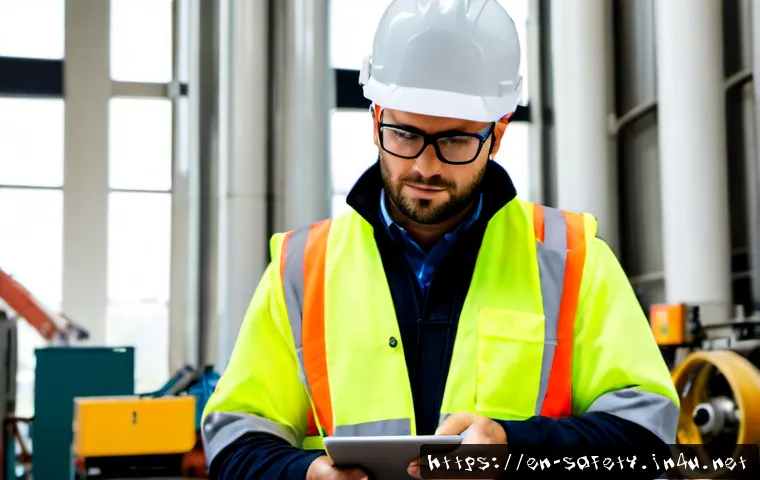
The construction industry might seem traditional, but trust me, technology is revolutionizing safety right before our eyes. I’ve been incredibly impressed watching how innovative safety supervisors are integrating cutting-edge tools into their daily routines. Wearable technology, for instance, is no longer science fiction. We’re talking about smart hardhats that detect impacts, vests that monitor vital signs to prevent heat stress, and even boots with sensors that can track fatigue or detect slips. From my perspective, these aren’t just fancy gadgets; they’re vital early warning systems. They provide real-time data that allows supervisors to intervene *before* an accident happens. Imagine getting an alert that a worker’s core body temperature is rising dangerously, or that someone has entered a restricted zone. This level of immediate insight was unthinkable a decade ago, and it’s fundamentally changing how we approach hazard mitigation. Embracing these Internet of Things (IoT) devices isn’t just about being modern; it’s about providing an unparalleled layer of protection for every single person on site, making the workplace smarter and safer than ever before.
Predictive Analytics: Spotting Risks Before They Happen
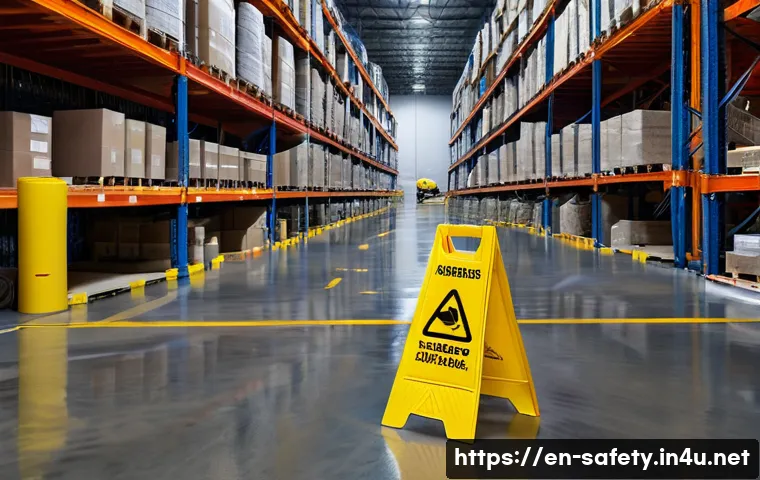
Beyond immediate alerts, the real game-changer in safety tech is predictive analytics. I’ve always believed that foresight is one of a supervisor’s greatest assets, and now, technology is giving us a powerful boost. Modern safety supervisors are learning to harness data from past incidents, near misses, equipment maintenance logs, and even weather patterns to identify potential future risks. For example, if data shows a spike in slips and falls during specific weather conditions or on certain types of surfaces, a supervisor can proactively implement targeted interventions like extra traction mats or adjusted work schedules. I’ve seen firsthand how analyzing trends in worker fatigue, based on shift patterns and reported incidents, can lead to smarter scheduling that significantly reduces human error. It’s about moving beyond reactive safety to a truly proactive stance, where we’re not just responding to problems but anticipating and preventing them. This kind of data-driven approach not only saves lives but also optimizes operational efficiency, making every decision more impactful and informed.
| Key Safety Technologies | Supervisor Skill Required | Benefit on Site |
|---|---|---|
| Wearable Sensors (e.g., smart vests, hardhats) | Data Interpretation, Emergency Response | Real-time vital monitoring, impact detection, fatigue tracking |
| Drones for Inspection | Remote Operation, Visual Analysis | Safe inspection of elevated or hazardous areas, progress monitoring |
| Predictive Analytics Software | Statistical Analysis, Proactive Planning | Identifies accident trends, forecasts potential risks, optimizes resource allocation |
| Building Information Modeling (BIM) | Digital Literacy, Hazard Identification | Pre-construction hazard mapping, logistics planning, clash detection |
Mastering the Art of Communication: Bridging Gaps, Building Trust
From Toolbox Talks to Crisis Dialogues
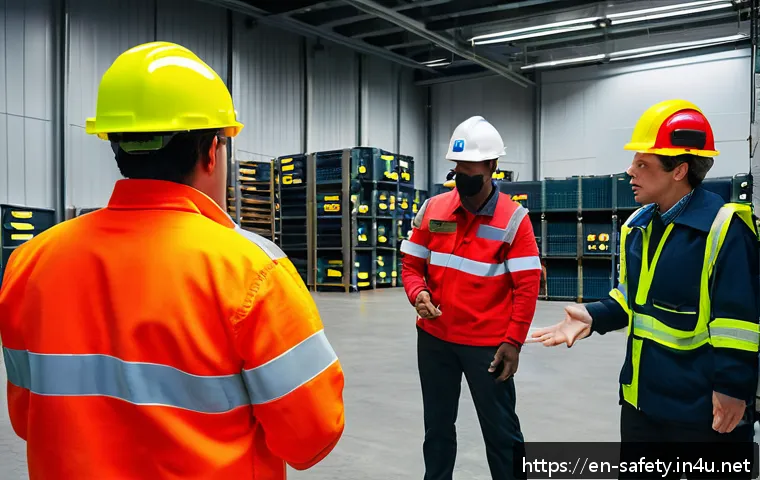
Communication is the absolute bedrock of effective safety management, and it’s a skill that transcends mere speaking; it’s about genuine connection. I’ve learned that a truly impactful safety supervisor excels at tailoring their message, whether it’s a quick, focused “toolbox talk” before a shift or a calm, reassuring dialogue during a crisis. During those daily huddles, it’s not just about listing rules, but about engaging the crew, asking questions, and getting them to think actively about the day’s specific risks. Then, when things go sideways, which inevitably they sometimes do, the supervisor’s ability to communicate clearly, concisely, and empathetically becomes paramount. I’ve witnessed situations where a calm, authoritative voice during an emergency prevented panic and ensured everyone knew their role, minimizing further danger. This isn’t just about conveying information; it’s about building and maintaining morale, fostering a sense of control, and ultimately, keeping everyone safe through the power of words. It’s a delicate dance, but when done right, it saves lives and builds an incredibly strong, resilient team.
Translating Complex Regulations into Understandable Actions
Let’s be honest, safety regulations can be a dense jungle of legalese and technical jargon. My experience has shown me that one of the unsung superpowers of an exceptional safety supervisor is their ability to translate these complex, often dry, documents into actionable, easy-to-understand instructions for the diverse workforce on a construction site. You’ve got people from all sorts of backgrounds, with varying levels of literacy and experience, and simply quoting OSHA standards won’t cut it. The best supervisors break it down into simple terms, using real-world examples and analogies that resonate with the crew. They don’t just say “comply with fall protection”; they explain *why* it’s crucial, demonstrate the equipment properly, and answer every single question until everyone feels confident. It’s about moving beyond mere compliance and ensuring genuine comprehension. When workers truly understand the ‘why’ behind a rule, they’re far more likely to embrace it and incorporate it into their daily habits, which, as I’ve observed, is the cornerstone of a truly safe and efficient operation.
Crisis Commander: Leading When Every Second Counts
Developing Robust Emergency Response Plans
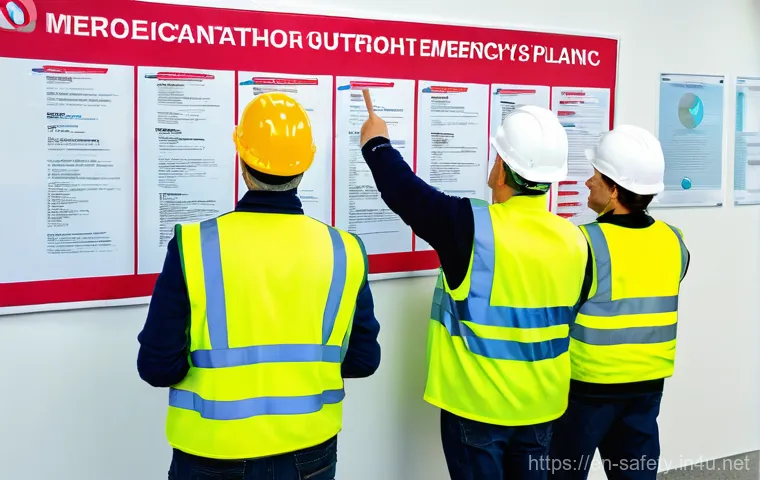
When you’re on a construction site, you operate under the constant knowledge that things can, and sometimes do, go wrong. It’s an inherent part of the job, and it’s why a safety supervisor’s ability to command a crisis is absolutely non-negotiable. It all starts long before any incident occurs, with the meticulous development of robust emergency response plans. From my vantage point, the supervisors who truly excel here are those who don’t just check a box by having a plan; they live and breathe it. They think through every conceivable scenario – a structural collapse, a fire, a chemical spill, a medical emergency – and meticulously map out every step, from immediate reporting protocols to evacuation routes and designated muster points. They involve the entire team in drills, ensuring everyone knows their role and can act instinctively under pressure. It’s about preparedness, sure, but it’s also about building confidence and reducing panic when the unexpected inevitably strikes. That groundwork, the constant refinement and practice, is what truly sets apart an adequate supervisor from an invaluable one who can genuinely mitigate disaster.
Composure Under Pressure: The Human Element in Emergencies
Having a well-documented emergency plan is one thing, but executing it flawlessly requires an entirely different set of skills, particularly a supervisor’s unwavering composure under extreme pressure. I’ve personally witnessed the sheer chaos that can erupt when an incident occurs, and it’s during these moments that a safety supervisor’s true leadership shines through. Their ability to remain calm, think clearly amidst the fray, and issue precise, authoritative instructions is absolutely critical. It’s not just about knowing what to do, but about projecting confidence and control when everyone around them might be feeling fear or confusion. This calm demeanor isn’t just for show; it actively helps to de-escalate panic among the crew, allowing them to follow instructions effectively and safely. It’s an incredibly demanding aspect of the role, one that often relies on years of experience, rigorous training, and a deep well of personal resilience. When the stakes are at their highest, that human element – the steady hand and clear mind of the crisis commander – becomes the most powerful tool on the entire site.
From Compliance to Coaching: Mentorship in Safety
Training the Next Generation of Safety-Conscious Workers
One of the most rewarding aspects I’ve seen in top-tier safety supervisors is their dedication to mentorship. It’s not enough to just enforce rules with the current workforce; the truly impactful supervisors are actively shaping the next generation of safety-conscious professionals. They understand that every new hire, every apprentice, is an opportunity to instill deeply ingrained safety habits and a profound respect for workplace well-being. My experience tells me that this goes far beyond generic orientations; it involves hands-on guidance, patient explanation, and demonstrating best practices in a way that truly sticks. They don’t just tell you to wear your PPE; they explain the specific hazards it protects against, share stories of when it saved someone’s life, and ensure it fits correctly. This commitment to training and education creates a ripple effect, ensuring that the safety culture isn’t just maintained but continually strengthened and passed down through the ranks. It’s an investment in the future, fostering a legacy of care and competence that benefits everyone on site for years to come.
Fostering Continuous Improvement Through Feedback
A great safety supervisor isn’t just a teacher; they’re also a keen student, always looking for ways to improve, and they achieve this by fostering a culture of continuous improvement through open feedback. I’ve observed that the most effective supervisors actively solicit input from their crew – not just about what went wrong, but about what could be done better. They create channels for anonymous suggestions, conduct regular debriefs after tasks, and genuinely listen to the practical insights from those on the ground. This isn’t about finding fault; it’s about collaborative problem-solving. When a worker points out a more efficient or safer way to perform a task, the supervisor champions that idea, giving credit where it’s due and implementing the change. This approach not only refines safety protocols but also builds an incredible sense of ownership and engagement among the team. It shows workers that their voices matter, their experiences are valued, and that safety is truly a dynamic, evolving process that everyone contributes to. It’s a powerful cycle that continually elevates the safety standards across the entire project.
The Business Acumen of Safety: Protecting Projects and People
Understanding the Financial Impact of Accidents
It might seem like safety is purely about human well-being, and fundamentally, it is. But from a broader perspective, particularly one that considers the long-term health of a construction project, a top safety supervisor also possesses a keen sense of business acumen. They understand, deeply, the profound financial implications of every accident. It’s not just the immediate costs of medical care or damaged equipment; it’s the ripple effect of lost productivity, project delays, increased insurance premiums, potential legal battles, and damage to the company’s reputation. I’ve seen firsthand how a single, preventable incident can halt an entire project, leading to penalties, missed deadlines, and a significant drain on resources. An exceptional supervisor can articulate these costs to stakeholders, demonstrating that investing in robust safety measures isn’t just an expenditure, but a critical investment that yields substantial returns. They advocate for proper budgeting for training, equipment, and personnel, recognizing that these are not luxuries, but necessities that protect the project’s bottom line as much as they protect its people.
Justifying Safety Investments to Management
One of the more challenging, yet vital, roles of a safety supervisor is effectively communicating the value of safety investments to upper management. I’ve always felt that simply stating “it’s the right thing to do” often isn’t enough in the corporate landscape. The best supervisors I’ve encountered are adept at presenting a compelling business case for every safety initiative. They compile data on past incidents, calculate potential savings from accident prevention, and benchmark against industry best practices. They speak the language of return on investment (ROI), explaining how a new piece of safety equipment, for instance, might reduce worker compensation claims, improve morale leading to higher productivity, and enhance the company’s reputation, attracting better talent and securing more lucrative contracts. It’s about connecting safety directly to profitability and operational excellence. This strategic approach transforms safety from a perceived cost center into a recognized value driver, ensuring that safety programs receive the support and resources they genuinely need to thrive and protect everyone involved.
Staying Ahead of the Curve: Continuous Learning in a Dynamic Field
Embracing New Regulations and Industry Best Practices
The construction industry, despite its robust nature, is anything but static. New technologies emerge, materials evolve, and, critically, safety regulations are constantly updated and refined. My personal experience has cemented the idea that an outstanding safety supervisor isn’t content with yesterday’s knowledge; they are perpetually curious and committed to continuous learning. They don’t just wait for new mandates to be handed down; they actively seek out updates from regulatory bodies like OSHA, subscribe to industry publications, and participate in webinars and conferences. It’s about being proactive in understanding how these changes impact their site, their protocols, and their training programs. They’re the ones who are always ahead of the curve, integrating the latest best practices – whether it’s new methods for fall protection or advanced scaffolding techniques – into their daily operations. This dedication ensures that their site isn’t just compliant, but truly at the forefront of safety innovation, providing the highest level of protection for everyone working there.
The Importance of Professional Development and Networking
Beyond formal regulations, true professional growth for a safety supervisor often comes from ongoing development and, crucially, networking. I’ve found that the most insightful supervisors are those who actively engage with their peers, attending workshops, joining industry associations, and participating in online forums. These aren’t just social gatherings; they’re vital opportunities to share experiences, discuss challenges, and learn from the triumphs and mistakes of others in the field. Imagine picking up a practical tip on managing fatigue, or hearing about an innovative hazard identification technique that someone else implemented successfully – these insights are invaluable. My own journey has taught me that these connections provide a rich tapestry of knowledge and support that no textbook alone can offer. It’s about continually sharpening your skills, broadening your perspective, and staying connected to the pulse of the industry, ensuring you’re always equipped with the latest information and strategies to keep your construction site as safe as humanly possible.
Wrapping Things Up
As we’ve explored the multifaceted world of safety supervision, it’s clear that this role is so much more than just a job title. It’s a profound responsibility, a chance to truly make a difference in people’s lives, and frankly, one of the most rewarding endeavors I’ve ever witnessed. From building unwavering trust with your team and empowering them to be proactive safety advocates, to embracing the latest tech innovations that provide real-time insights and predictive power, every aspect contributes to a workplace where everyone feels valued and protected. Ultimately, the best supervisors aren’t just managers; they are mentors, communicators, and crisis commanders who blend a deep understanding of human nature with an astute business sense. It’s a journey of continuous learning and passionate dedication, and seeing the positive impact on a site, the genuine smiles, and the seamless operations, is truly what makes it all worthwhile. Let’s keep pushing the boundaries and fostering cultures where safety isn’t just a priority, but a deeply ingrained value.
Useful Information to Know
1. Cultivate Psychological Safety: Encourage an environment where every worker feels safe to report concerns, near misses, or suggest improvements without fear of blame. This builds trust and reveals hidden risks before they escalate.
2. Embrace Tech, But Don’t Rely Solely On It: While wearables and predictive analytics are powerful tools, remember they complement, not replace, human observation and communication. Always maintain a human-centric approach to safety.
3. Master the Art of Clear Communication: Break down complex regulations into simple, actionable steps. Tailor your message for different audiences and situations, ensuring everyone understands the ‘why’ behind safety protocols.
4. Invest in Continuous Learning: The safety landscape is constantly evolving. Stay updated on new regulations, technologies, and best practices through industry associations, webinars, and networking with peers. Your proactive learning benefits everyone.
5. Connect Safety to Business Outcomes: Effectively articulate the financial impact of accidents and the ROI of safety investments to management. Show how robust safety programs enhance productivity, reputation, and profitability.
Key Takeaways Summary
At its core, exceptional safety supervision revolves around a proactive, people-first philosophy. It’s about empowering your team through trust and transparent communication, ensuring every individual feels ownership over their well-being and that of their colleagues. Leveraging modern technology, from real-time monitoring to predictive analytics, provides invaluable foresight and immediate protection, transforming how we identify and mitigate hazards. Moreover, a truly impactful supervisor acts as a perpetual learner and a shrewd strategist, not only developing robust emergency plans but also effectively communicating the immense value of safety investments to safeguard both human lives and project success. It’s this holistic approach—blending empathy with expertise and innovation—that elevates safety from mere compliance to a foundational pillar of every thriving construction site.
Frequently Asked Questions (FAQ) 📖
Q: Why is the role of a construction safety supervisor more critical than ever in today’s fast-evolving industry?
A: Oh, that’s a fantastic question and one I get asked a lot! From my years of experience walking countless construction sites, I can tell you firsthand that a safety supervisor isn’t just a regulatory checkbox anymore; they are truly the linchpin of an entire project’s success and, more importantly, its human well-being.
Think about it: our construction sites are buzzing with incredible innovation, but they also bring a whole new layer of complex risks. We’re talking about advanced machinery, tighter deadlines, and a workforce that’s constantly adapting to new techniques.
A top-notch safety supervisor is the guardian angel of the site, proactively identifying potential hazards before they become incidents. They’re the ones who bridge the gap between cutting-edge technology and human behavior, ensuring everyone, from the rookie laborer to the seasoned project manager, understands and adheres to the highest safety standards.
Without them, honestly, you’re not just risking accidents; you’re jeopardizing lives, project timelines, and your company’s reputation. It’s a role that demands a real commitment to people, and that’s something you can’t put a price on.
Q: How are new technologies and advancements changing the game for construction safety supervisors?
A: This is where things get really exciting, and frankly, a bit mind-boggling compared to how things were even just a decade ago! I’ve personally seen the incredible shift technology has brought.
Back in the day, safety was often reactive – we’d respond after an incident. Now? It’s all about being predictive and proactive, thanks to some seriously cool tech.
We’re seeing safety supervisors leverage everything from sophisticated predictive analytics that can pinpoint high-risk areas based on data patterns, to wearable tech that monitors a worker’s fatigue levels or even detects proximity to moving machinery.
Imagine getting an alert that a team member is showing signs of exhaustion before they make a critical error! Or having drones conduct site inspections in minutes, identifying fall hazards or equipment issues that might take hours to spot manually.
These tools aren’t replacing human judgment; they’re empowering supervisors to make smarter, faster decisions, focusing their expertise where it’s needed most – on people and prevention.
It’s truly a game-changer, making our sites safer and more efficient.
Q: Beyond technical expertise, what are the most crucial ‘people skills’ an exceptional safety supervisor needs to master today?
A: Ah, the human element! This is something I always emphasize because, while technical knowledge is non-negotiable, it’s those ‘people skills’ that truly elevate a safety supervisor from good to genuinely exceptional.
From my observation, the ability to communicate effectively is paramount. We’re talking about clear, concise, and empathetic communication – whether it’s explaining a complex regulation to a diverse crew, de-escalating a tense situation, or even just building rapport.
It’s not just about giving orders; it’s about fostering a genuine culture of safety where everyone feels heard and valued. Crisis management is another huge one; when things go sideways, you need someone who can stay calm, take charge, and make quick, sound decisions under immense pressure.
But perhaps most importantly, it’s about leadership. It’s the ability to inspire trust, lead by example, and empower every single person on site to be a safety advocate.
I’ve learned that when a supervisor genuinely cares and shows it, people respond. They become more vigilant, more cooperative, and ultimately, safer. It’s that delicate balance of authority and empathy that truly makes the difference.