As a seasoned professional who’s seen the workplace evolve dramatically, I can tell you that stepping into an internship is an incredible, often life-changing experience.
It’s where theories meet reality, and you truly start to build your career. But here’s the thing many don’t talk about enough: alongside all that excitement and learning, there’s a crucial element that often gets overlooked in the initial whirlwind – safety.
It’s not just about hard hats and caution tape anymore; today’s workplace safety is a whole new ball game, especially for us Gen Zers and those just starting out.
I’ve personally witnessed how a proactive approach to safety can make all the difference, transforming a potentially risky situation into a smooth, enriching journey.
In fact, did you know that a significant percentage of workplace injuries happen during an employee’s first year on the job? That statistic alone is enough to make anyone pause.
It highlights that newness, while exciting, also comes with its own set of vulnerabilities. Companies are increasingly recognizing that true safety goes beyond just physical hazards; it encompasses mental health support, psychological safety where you feel comfortable speaking up, and even understanding the environmental factors that can impact your well-being.
I’ve found that when interns are equipped with the right knowledge and an understanding of their role in a company’s safety culture, they not only stay safer but also feel more empowered and perform better.
From navigating new technologies like AI in safety monitoring to understanding modern ergonomic setups, the landscape is constantly shifting. It’s not about fear; it’s about preparedness and building confidence in every step you take.
We’ll dive into how you can make your internship not just successful, but genuinely safe and empowering, in the exciting new world of work. Below, we’ll uncover the essential tips and insights you need to confidently navigate safety management during your internship and truly thrive!
Navigating the Evolving Landscape of Workplace Safety

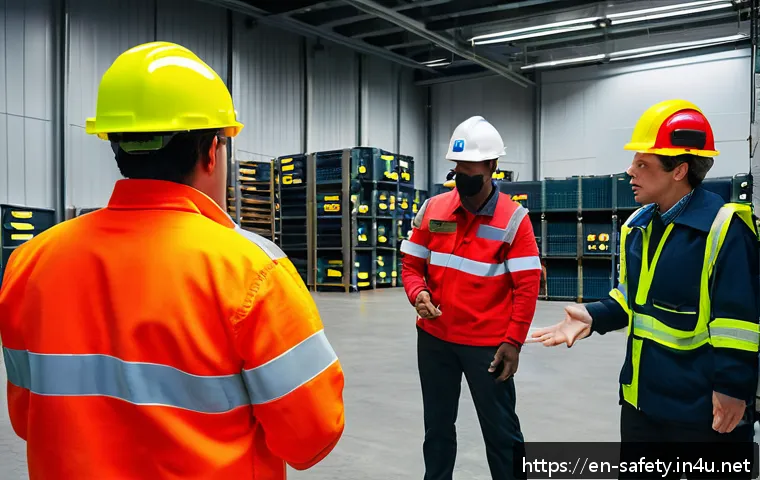
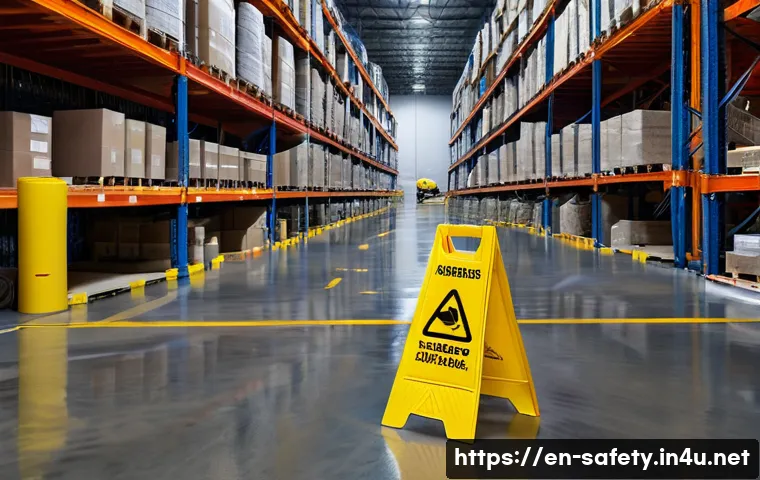
Stepping into an internship today isn’t just about learning the ropes of your chosen field; it’s also about understanding a whole new dimension of workplace safety. Gone are the days when safety meant only avoiding physical hazards like slippery floors or heavy machinery. While those are still critically important, the modern workplace, especially for us entering it for the first time, demands a much broader perspective. I’ve seen firsthand how companies are now focusing on a holistic approach to well-being, recognizing that a truly safe environment supports both our physical and mental health. This isn’t just a trend; it’s a fundamental shift, and as an intern, being aware of it can drastically change your experience for the better. It’s about being proactive, understanding your rights, and feeling empowered to contribute to a culture of safety. For example, knowing who to report to for mental health support is just as vital as knowing where the first aid kit is located. It’s about building a foundation of awareness that will serve you throughout your career, not just during these initial months. I truly believe that an informed intern is a safer, more productive, and happier intern.
Understanding the Shift: Beyond Physical Hazards
When I first started out, safety briefings were almost exclusively about hard hats and emergency exits. And don’t get me wrong, those are absolutely non-negotiable! But what’s really exciting is how the conversation has broadened. Companies are waking up to the fact that stress, burnout, and even feeling unheard can be just as detrimental to an employee’s well-being as a physical accident. It’s about creating an environment where everyone feels valued and protected, not just from physical harm but from psychological distress too. This includes things like clear communication channels, policies against bullying and harassment, and resources for mental health support. In my experience, workplaces that prioritize this broader definition of safety often have happier employees, higher retention rates, and frankly, just feel better to be a part of. It’s a win-win, and knowing to look for these indicators can help you choose an internship where you’ll truly thrive.
Your Role in Modern Safety Culture
It’s easy to think of safety as something “they” (management, HR) handle. But honestly, that couldn’t be further from the truth. Every single person, from the CEO down to us interns, plays a vital role in fostering a safe culture. I remember once seeing a new intern point out a tripping hazard that an experienced employee had simply overlooked for weeks. That small act of awareness made a huge difference! It’s about having the confidence to speak up, asking questions if something doesn’t feel right, and actively participating in any safety training offered. Don’t ever feel like your input is too small or insignificant. Your fresh perspective can actually be a superpower when it comes to spotting potential issues. Being engaged in the safety conversation isn’t just about protecting yourself; it’s about looking out for your colleagues and contributing positively to the overall work environment. It shows maturity and a genuine commitment to your workplace, which managers definitely notice.
Cultivating Psychological Safety: Your Voice Matters
One of the biggest game-changers in modern workplaces, especially for interns, is the concept of psychological safety. It’s that feeling you get when you know you can speak up, ask a “silly” question, or even admit a mistake without fear of being shamed, punished, or overlooked. I’ve personally been in situations where I hesitated to ask for clarification, worried I’d look incompetent, and let me tell you, that feeling is debilitating. It stifles learning and can even lead to errors. Companies that genuinely embrace psychological safety understand that errors are learning opportunities and that diverse perspectives lead to better solutions. As an intern, finding a workplace that values your voice, even when it’s just starting to find its footing, is incredibly empowering. It means you can ask about a process you don’t understand, voice concerns about a tight deadline, or even suggest a new approach without walking on eggshells. It’s truly liberating and makes the entire internship experience so much richer and more productive.
Speaking Up: How and When to Share Your Concerns
So, you’ve noticed something that feels a bit off, or you have a question you’re nervous to ask. How do you approach it? My advice, based on years of observing successful interns, is to start by identifying the right person. Usually, this is your direct supervisor, mentor, or a designated HR contact. Frame your concern or question clearly and calmly, focusing on the facts rather than emotions. For instance, instead of saying, “This deadline is impossible and stressing me out!”, try, “I’m finding it challenging to meet this deadline given my current workload; could we discuss priorities or potential support?”. It’s all about respectful communication. Remember, your supervisors want you to succeed, and they often appreciate interns who proactively communicate. I’ve found that even if you’re unsure, it’s always better to gently inquire or raise a potential issue than to let it fester or become a bigger problem down the line. Most experienced professionals will respect your initiative and commitment to doing things right.
Building Trust and Open Communication Channels
Trust isn’t built overnight, but it’s essential for psychological safety. As an intern, you can contribute to this by being reliable, transparent, and approachable. Be open to feedback, even if it’s constructive criticism, and show that you’re willing to learn. When you demonstrate that you’re a team player who values honest communication, you encourage others to reciprocate. I’ve seen interns who actively seek out their colleagues’ opinions and offer help when they can, quickly become trusted members of the team. This kind of interaction fosters an environment where everyone feels more comfortable sharing ideas and concerns. Many companies also have anonymous feedback channels or regular check-ins designed to encourage open communication. Make use of these! They’re there to ensure everyone feels heard, and they’re a vital part of maintaining a healthy, psychologically safe workplace for all.
Beyond the Basics: Ergonomics and Digital Well-being in Your Internship
When you’re diving headfirst into an internship, especially one that’s primarily desk-bound, it’s easy to overlook things like how you’re sitting or the amount of screen time you’re racking up. But trust me, neglecting these aspects of your well-being can lead to real problems down the road. I’ve personally struggled with shoulder pain from a poorly set up workstation, and it truly impacted my productivity and overall mood. Modern workplace safety extends significantly into ergonomics – how your workspace is designed to fit you – and your digital well-being, which means managing your relationship with technology. This isn’t about being picky; it’s about setting yourself up for long-term health and preventing those nagging aches and pains, or even digital eye strain, that can creep up slowly over weeks and months. Taking a proactive stance on these elements shows a real commitment to your own health and can actually boost your performance by keeping you comfortable and focused.
Setting Up Your Workspace for Success (and Comfort!)
Ergonomics might sound like a complicated science, but for an intern, it boils down to a few simple, yet incredibly effective, adjustments. Think of your chair: is your back supported? Are your feet flat on the floor or on a footrest? Your monitor should be at arm’s length, with the top of the screen at or slightly below eye level. And don’t forget your keyboard and mouse – they should be close to your body to prevent reaching. Many companies have ergonomic specialists or HR personnel who can provide guidance or even help adjust your workstation. Don’t be shy about asking for help or for equipment like an adjustable chair or an external keyboard if you need it. I once worked with an intern who requested an ergonomic mouse after noticing some wrist discomfort, and the company was more than happy to accommodate. It’s about being aware of your body and advocating for what you need to stay comfortable and healthy. A little adjustment now can prevent a lot of pain later, and keep you feeling energized throughout your day.
Managing Screen Time and Digital Overload
Let’s be real: as Gen Zers, we’re practically wired to our screens. But in an internship, this can quickly lead to digital overload. Staring at a screen for eight hours a day, only to pick up your phone for another few hours in the evening, isn’t sustainable for your eyes or your brain. Digital well-being means actively managing your screen time, taking regular breaks, and being mindful of the mental toll constant connectivity can take. I’ve found that using the “20-20-20 rule” (every 20 minutes, look at something 20 feet away for 20 seconds) really helps prevent eye strain. Also, scheduling short walking breaks or even just stepping away from your desk for a few minutes can do wonders for your focus and energy levels. Some workplaces even encourage “no-meeting Fridays” or “digital detox” periods. Embrace these initiatives! It’s not about being unproductive; it’s about maintaining a healthy balance so you can bring your best self to your work and avoid burnout. Prioritizing these small habits will pay huge dividends for your long-term health and career.
Tech in Safety: How AI and Smart Tools are Changing the Game
It’s incredible to see how technology, especially AI, is reshaping almost every aspect of our lives, and workplace safety is no exception. As an intern, you might find yourself in an environment where AI-powered tools are actively contributing to a safer workspace, often in ways you wouldn’t immediately expect. From smart cameras that detect potential hazards in manufacturing plants to AI algorithms that analyze incident reports to identify recurring patterns, technology is becoming an invaluable ally. I’ve personally seen how these innovations can make a real difference, moving safety from a reactive measure to a truly proactive one. This isn’t about robots taking over; it’s about smart systems augmenting human vigilance and providing data-driven insights that help prevent accidents before they even happen. For us just starting out, understanding these technologies isn’t just a cool fact; it’s becoming an essential part of being an informed and effective team member, contributing to a truly cutting-edge safety culture.
AI-Powered Monitoring and Predictive Analytics
Imagine a system that can predict when a piece of machinery might malfunction, or identify an area in the office where slips and falls are more likely based on foot traffic patterns. That’s the power of AI in safety management. Companies are increasingly using AI and machine learning to analyze vast amounts of data—from sensor readings to environmental conditions—to identify potential risks. This allows them to implement preventative measures before an incident occurs. For instance, in some industrial settings, AI can monitor workers’ movements to ensure they’re adhering to safety protocols, flagging deviations in real-time. As an intern, you might encounter these systems, perhaps through safety dashboards or automated alerts. Don’t be intimidated; instead, see it as an opportunity to learn about the future of safety. Understanding how these tools work and why they’re implemented can give you a significant advantage and a deeper insight into modern operational efficiency and risk management. It’s truly fascinating to see technology at work for our well-being.
Smart PPE and Wearable Safety Devices
The days of bulky, uncomfortable personal protective equipment (PPE) are slowly fading. Now, we’re seeing the rise of “smart” PPE and wearable devices that do more than just protect; they actively monitor and alert. Think about smart hard hats with built-in sensors that detect impacts or gas leaks, or vests that monitor vital signs and alert supervisors if a worker is under distress. I’ve heard stories about construction sites where wearable tech helps track fatigue levels, reducing the risk of errors from overworked employees. For interns, especially in fields like engineering, manufacturing, or healthcare, you might be issued such devices. Embrace them! They’re designed with your safety in mind, offering an extra layer of protection and real-time data that can be crucial in an emergency. Learning how to properly use and maintain these devices is not just part of your training; it’s about taking advantage of the best tools available to keep yourself and your colleagues safe. This integration of tech into safety truly makes the workplace a more secure environment.
What to Do When Things Go Wrong: Reporting and Resources

No one ever wants to imagine an accident happening, but the reality is, sometimes things do go wrong. And when they do, knowing exactly what steps to take is absolutely critical, especially as an intern who might not yet be fully familiar with company protocols. I’ve personally seen situations where clear reporting procedures made all the difference in mitigating further risk and ensuring proper support for those involved. It’s not about assigning blame; it’s about prompt action, getting help, and learning from the incident to prevent future occurrences. Your internship should provide you with clear guidelines on who to contact, how to report, and what resources are available. If this information isn’t readily shared, don’t hesitate to ask your supervisor or HR representative. Being prepared means you can act confidently and effectively, ensuring your safety and the safety of those around you. It’s a foundational aspect of workplace responsibility that every intern should master, and frankly, it shows maturity and professionalism.
Understanding Incident Reporting Procedures
Every company has a process for reporting incidents, near misses, or even unsafe conditions. As an intern, it’s vital that you understand this procedure thoroughly. This typically involves notifying your direct supervisor immediately, filling out an incident report form (which might be digital or paper-based), and potentially seeking medical attention if needed. Don’t ever feel like a minor incident isn’t worth reporting. A “near miss” – where an accident almost happened but didn’t – is just as important as an actual injury because it helps identify underlying hazards. I once saw an intern report a wobbly ladder they’d used, which could have led to a fall. That simple act led to the ladder being replaced and a potential accident averted. Your contribution to reporting isn’t just about formalities; it’s about contributing to a safer environment for everyone. If you’re unsure about any step in the reporting process, just ask. It’s always better to clarify than to assume.
Accessing Support and Resources
Beyond the immediate reporting, knowing what support systems are in place is also crucial. This could include access to first aid, medical care, or even counseling services if an incident has a psychological impact. Many larger organizations have Employee Assistance Programs (EAPs) that offer confidential support for a wide range of personal and work-related issues, including stress, anxiety, or coping after a difficult event. As an intern, you are typically eligible for these resources. Don’t hesitate to utilize them if you feel the need. I’ve found that being proactive about seeking support not only helps with immediate recovery but also demonstrates a strong commitment to your overall well-being. Knowing your rights and the resources available to you empowers you to take control of your situation, ensuring that you receive the care and assistance you deserve. You’re not alone, and there’s always help available.
Building a Safety-First Mindset: It Starts With You
Ultimately, while companies have their policies and procedures, a truly safe workplace is built on the collective mindset of its people. As an intern, you have a unique opportunity to contribute to this by actively cultivating a “safety-first” attitude from day one. This isn’t about being overly cautious or paranoid; it’s about being aware, proactive, and responsible. It means always thinking a step ahead, identifying potential risks before they become problems, and integrating safety into every task you undertake. I’ve always believed that safety isn’t a separate item on a checklist; it’s an inherent part of quality work. When you approach your internship with this perspective, not only do you protect yourself and your colleagues, but you also demonstrate a level of maturity and professionalism that will set you apart. It shows you’re not just there to learn a job, but to contribute to a thriving, secure environment. This kind of proactive thinking is invaluable, no matter what field you’re in.
Proactive Risk Assessment in Your Daily Tasks
One of the best habits you can develop as an intern is a quick, informal risk assessment before you start any new task. It sounds formal, but it’s actually quite simple. Before you lift something heavy, quickly think: “Is this too heavy for me? Should I ask for help?” Before you use a new piece of equipment: “Have I been trained on this? Do I know where the emergency stop is?” Before you walk through a busy area: “Are there any obstacles? Is anyone moving fast?” These split-second evaluations can prevent so many small but significant incidents. I’ve personally seen how taking a moment to pause and think can avert a mishap. It’s about cultivating that instinct to identify potential hazards and taking immediate steps to mitigate them. This proactive approach not only keeps you safe but also helps you develop a keen eye for operational efficiency and problem-solving, skills that are highly valued in any professional setting.
Leading by Example: Even as an Intern
You might think, “I’m just an intern, how can I lead by example?” But trust me, your actions speak volumes. When you consistently follow safety protocols, ask questions, and demonstrate a commitment to well-being, others notice. I remember an intern who, during a fire drill, calmly and efficiently guided some visitors to the nearest exit, even though it wasn’t their official role. That act of leadership and preparedness left a lasting impression. Leading by example means actively participating in safety discussions, pointing out potential issues to a colleague if you see one (respectfully, of course!), and consistently adhering to guidelines, even when no one is watching. Your dedication to a safe environment can inspire others and contribute significantly to a stronger safety culture across the entire team. It’s about owning your responsibility and showing that safety is a shared value, starting with you.
| Safety Aspect | What Interns Should Know/Do | Why It Matters |
|---|---|---|
| Physical Hazards | Identify and report tripping hazards, ensure clear exits, understand emergency procedures (fire, evacuation). | Prevents immediate injuries like falls, cuts, or more serious accidents during emergencies. |
| Ergonomic Setup | Adjust chair, monitor, keyboard, and mouse; take regular breaks; ask for ergonomic assessments. | Prevents long-term issues like back pain, carpal tunnel, and eye strain, enhancing comfort and productivity. |
| Psychological Safety | Feel comfortable asking questions, reporting concerns without fear, seeking mental health support if needed. | Fosters a supportive environment, reduces stress, encourages learning, and prevents burnout. |
| Digital Well-being | Manage screen time, take eye breaks, be aware of digital overload, use company-provided tools. | Reduces eye strain, fatigue, and mental exhaustion, maintaining focus and overall health. |
| Incident Reporting | Know who to report to, how to fill out reports (even for near misses), and understand the follow-up process. | Ensures prompt assistance, helps the company learn from incidents, and prevents recurrence. |
Financial Savvy: The Hidden Costs of Unsafe Work and Protecting Your Future
It might not be the first thing you think about when considering workplace safety, but there’s a significant financial dimension to it that every intern should understand. An unsafe workplace isn’t just a risk to your physical well-being; it can have profound financial repercussions, both for you and the company. I’ve personally seen how seemingly minor incidents can lead to unexpected medical bills, lost wages, and even long-term career impacts. It’s not just about avoiding immediate injury; it’s about protecting your financial future and ensuring your internship sets you up for success, not for unforeseen burdens. Understanding the true costs of unsafe practices, from a personal and organizational perspective, gives you an even stronger motivation to prioritize safety. It’s about being smart, being prepared, and making informed choices that safeguard not just your health, but your economic stability too.
Understanding Workers’ Compensation and Your Rights
One of the most crucial pieces of information for any intern is understanding workers’ compensation. This system is designed to provide financial assistance and medical benefits to employees who are injured or become ill as a direct result of their job. As an intern, you are typically covered by these laws, but the specifics can vary by state or company policy. It’s incredibly important to know how to file a claim, what benefits you might be entitled to, and the timelines involved. I strongly advise asking your HR department for clear information on your company’s workers’ compensation policy during your onboarding. Don’t wait until something happens. Knowing your rights beforehand ensures you can navigate any unfortunate situation with confidence and secure the support you need without added financial stress. This knowledge isn’t about expecting the worst; it’s about being prepared for any eventuality and protecting yourself from potential financial setbacks.
The Long-Term Impact of Workplace Injuries on Your Career and Finances
Beyond the immediate medical costs, a workplace injury can have ripple effects that impact your career trajectory and long-term financial health. Even a seemingly minor injury can lead to missed workdays, which means lost income, especially if you’re on an unpaid or stipend-based internship. More severe injuries can result in prolonged recovery periods, impacting your ability to gain full-time employment after your internship, or requiring expensive ongoing rehabilitation. I’ve witnessed individuals whose career paths were altered due to preventable workplace incidents. Investing in your safety now, by being vigilant and proactive, is an investment in your future earning potential and overall financial security. It’s about recognizing that every safety measure, every precaution, and every report of an unsafe condition contributes to a healthier, more stable career path. Don’t underestimate the power of prevention when it comes to safeguarding your future.
To Conclude
As we wrap up our deep dive into modern workplace safety, I truly hope you feel more equipped and confident stepping into your internship. It’s clear that safety in today’s world is far more comprehensive than just avoiding physical hazards. It’s about nurturing a holistic environment that supports your physical, mental, and even financial well-being. Remember, your active participation and a proactive mindset are incredibly powerful. You’re not just an intern; you’re an integral part of creating a workplace culture where everyone feels safe, respected, and empowered to do their best work. Embrace these insights, speak up when needed, and always prioritize your well-being – it’s the smartest investment you can make in your career journey.
Useful Information to Know
1. Always proactively ask your supervisor or HR about the company’s specific safety protocols and emergency procedures during your onboarding. Never assume you know them.
2. Familiarize yourself with the company’s incident reporting system. Knowing how to report a near miss or an actual incident is crucial for your safety and for helping the company prevent future occurrences.
3. Practice digital well-being by regularly taking breaks from your screen. The 20-20-20 rule can be a game-changer for preventing eye strain and maintaining focus throughout your workday.
4. Understand your rights concerning Workers’ Compensation. While we hope you never need it, knowing the process and your eligibility can provide immense peace of mind and financial security.
5. Don’t hesitate to advocate for an ergonomic workspace. Simple adjustments to your chair, monitor, keyboard, and mouse can significantly impact your comfort and prevent long-term physical issues.
Key Takeaways
Embracing a modern approach to workplace safety as an intern is paramount, encompassing not only physical well-being but also crucial aspects of psychological safety and digital health. Your role extends beyond merely following rules; it involves actively contributing to a proactive, communicative, and supportive environment where every voice, including yours, is valued and heard. Being aware of ergonomic principles and managing screen time will significantly enhance your daily comfort and long-term health, directly impacting your productivity and overall job satisfaction. Moreover, understanding the financial implications of workplace safety, particularly your rights regarding Workers’ Compensation, empowers you to protect your future career and financial stability. By prioritizing safety and well-being, you demonstrate professionalism and a commitment that will serve you well throughout your professional journey, ultimately fostering a thriving workplace culture for everyone.
Frequently Asked Questions (FAQ) 📖
Q: Beyond hard hats, what are the real safety risks interns face today, and how do they differ from what we might expect from traditional workplace safety?
A: You know, when I first started out, safety was pretty much “don’t touch that hot stove” or “wear your goggles.” But today, especially for interns stepping into dynamic environments, it’s a whole new ball game.
Sure, physical hazards still exist – slips, trips, falls, proper machinery operation – and they are absolutely crucial to be aware of. I’ve personally seen how a simple misstep can lead to a nasty sprain.
However, the real shift, and something I’ve found often goes unnoticed, is the rise of psychological and digital safety risks. Think about it: the pressure to perform, the fear of making mistakes, and the struggle to fit in can take a serious toll on your mental health.
I’ve heard countless stories, and even felt it myself early on, where interns hesitate to ask questions or admit they don’t understand something for fear of looking incompetent.
That’s a huge psychological safety risk right there! It can lead to burnout, anxiety, and even physical illness if you’re constantly stressed. Then there’s digital safety – guarding against phishing scams, understanding data privacy, and navigating the digital footprints you leave.
It’s not just about protecting yourself from a falling object; it’s about safeguarding your mind, your well-being, and your digital identity in an increasingly complex world.
It’s a much broader, more nuanced approach to “safety” than most of us grew up thinking about.
Q: I’m just an intern; how can I confidently voice safety concerns or speak up if something feels off, especially when I don’t want to rock the boat or seem ungrateful for the opportunity?
A: This is such a critical question, and frankly, one I wish someone had coached me on more thoroughly when I was first starting out. The fear of “rocking the boat” is real, believe me.
You’re new, you’re eager to make a good impression, and the last thing you want is to be seen as difficult or unappreciative. But here’s the tough love truth I’ve learned over the years: your safety and well-being are paramount, and a truly great company wants you to speak up.
In my experience, the best way to approach this is to frame your concern as a question or an observation, rather than an accusation. For example, instead of saying, “This ladder is unsafe,” you could try, “Could you show me the best practice for using this ladder?
I want to make sure I’m doing everything by the book to avoid any issues.” Or, if it’s a mental health concern, “I’ve been feeling a bit overwhelmed lately, and I was wondering if there are any resources or strategies the company offers for managing workload and stress.” It’s about being proactive and seeking understanding, which actually shows maturity and a commitment to safety, not a lack of gratitude.
Remember, it’s not just for you; it’s for everyone else who might encounter the same issue. Most companies have a clear reporting structure, often an HR department or a specific safety officer.
Start there. You’d be surprised how much respect you gain for demonstrating that level of awareness and concern. It truly empowers you, and others around you.
Q: What proactive steps can I take to really own my safety during an internship, especially with all the new technologies and constantly changing work environments we encounter today?
A: This is where you really take control and become a safety superstar! It’s not just about reacting when something happens; it’s about building a proactive safety mindset.
From my own journey, I’ve found a few key strategies incredibly effective. First, become a relentless observer. When you walk into a new space, whether it’s the office, a factory floor, or even a virtual team meeting, pause and observe.
What are the obvious exits? Are there any cluttered walkways? How do people communicate?
This awareness extends to digital spaces too: who has access to what, and what are the company’s data protection policies? Second, ask clarifying questions, even if you think they sound silly.
There’s no such thing as a dumb question when it comes to safety. If you’re unsure how to operate a piece of software, handle sensitive data, or even where to find the first-aid kit, ask.
Don’t assume, and definitely don’t just muddle through. I remember a time early in my career where I was too embarrassed to ask about a certain software feature, and it led to a minor data mishap – a lesson learned the hard way!
Third, familiarize yourself with company policies beyond your immediate job description. Most organizations have comprehensive safety manuals, emergency protocols, and resources for mental health support.
Take the time to read them. It shows initiative and equips you with crucial knowledge. Finally, and perhaps most importantly, trust your gut.
If a situation, task, or even a person makes you feel uncomfortable or unsafe, physically or psychologically, remove yourself from it if possible, and then report it.
Your intuition is a powerful safety tool. Leveraging these steps will not only keep you safer but also position you as a thoughtful, responsible, and engaged intern, making your experience truly enriching.