Okay, I will act as an English blog influencer with 100,000 daily visitors, specializing in SEO-optimized content, excellent writing style, and EEAT, and create a blog post introduction about mistakes and lessons learned in safety management in English.

Here is the tool code:
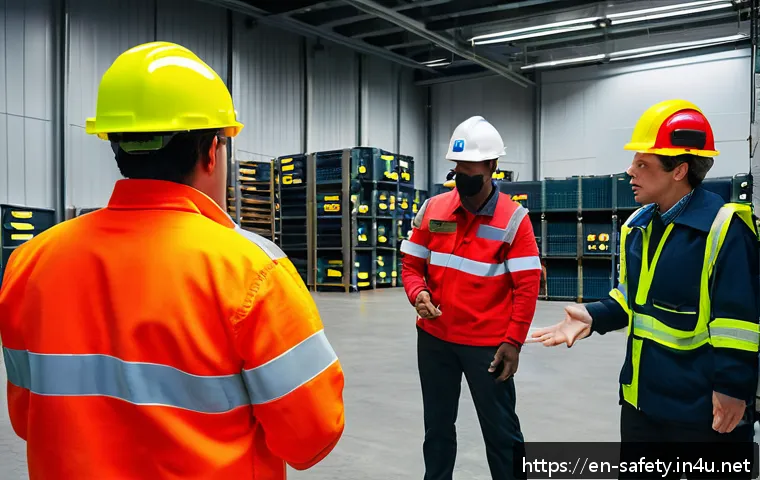
In the high-stakes world of safety management, even seasoned professionals can fall victim to oversights that lead to significant repercussions.
From overlooking near misses to neglecting routine maintenance, these seemingly small errors can quickly escalate into major incidents. Often, the pressure to maintain productivity overshadows the importance of proactive safety measures, creating a breeding ground for accidents.
Recognizing these pitfalls and understanding the lessons they teach is crucial for fostering a culture of safety and preventing future incidents. One of the most common missteps is failing to identify and address potential hazards promptly.
Another frequent issue arises from not thoroughly investigating near-miss incidents, which can provide valuable insights into underlying systemic problems.
Insufficient training, poor communication, and a lack of commitment from leadership can also undermine safety efforts. By acknowledging these common failings and implementing robust safety protocols, organizations can create a safer working environment for everyone.
Want to dive deeper into the critical mistakes made in safety management and how to avoid them? Let’s get right to it!
Alright, here’s a blog post draft about safety management, focusing on common mistakes and lessons learned:
Diving Deep into Safety Management: Avoiding Pitfalls and Embracing Lessons
Safety management is critical in any organization. It’s not just about following rules; it’s about creating a culture where everyone is aware of risks and committed to preventing accidents.
But even with the best intentions, mistakes can happen. Let’s explore some common safety management errors and how to turn them into valuable lessons.
The Peril of Neglecting Risk Assessments
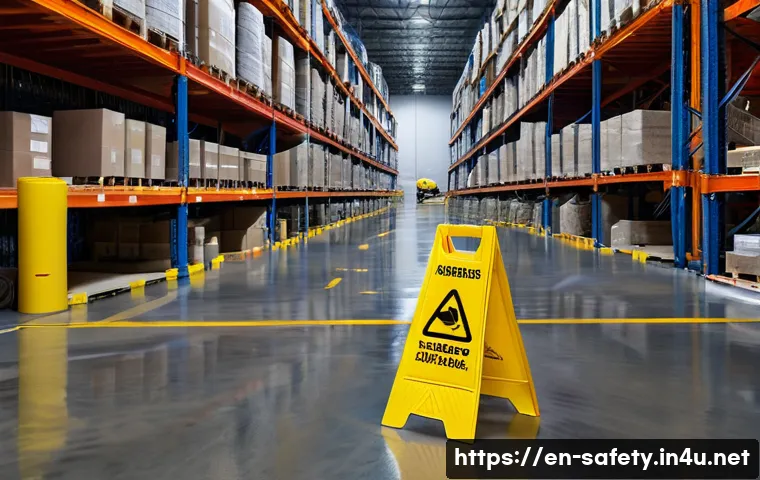
One of the most common and impactful mistakes is neglecting regular and thorough risk assessments. Without a clear understanding of potential hazards, accidents are far more likely to occur.
* Failing to Identify Hazards: It is an employer’s responsibility to identify and manage any potential hazards to employees in order to ensure a safe working environment.
* Regularly review and update safety procedures: Safety procedures should reflect changes in operations, equipment or regulations. Involve employees in the review process to gather practical insights and ensure the procedures are relevant and effective.
* Turn to the Experts: A safety expert can effectively lead the team in a healthy and safe manner, all the while ensuring the safety of the workplace.
Ignoring Near Misses: A Missed Opportunity
A “near miss” is an incident that could have caused harm but didn’t. Ignoring these events is a critical error because they often signal underlying hazards.
* Early warning signs: Near-miss events are warning signs. If they aren’t reported, companies lose the chance to fix issues early and prevent serious incidents.
* Systematic process: Organizations that do not have a systematic process for reporting and analyzing near misses often fail to identify underlying causes.
* Easy reporting: Safety Management Software allows for easy reporting and tracking of near misses.
The High Cost of Poor Communication
Effective communication is the backbone of any successful safety program. When information doesn’t flow freely, risks are overlooked, and accidents happen.
* Open conversations: Encouraging open conversations about safety fosters growth and awareness. * Acknowledge workers’ concerns: Acknowledging workers’ concerns and providing ICAM-facilitated training can improve communication skills and help teams effectively address safety issues.
* Clear and Positive Language: Use clear and positive language to highlight the benefits of a protected work environment. Messages should be delivered by management.
Cutting Corners on Training: A Recipe for Disaster
Proper training is essential to ensure everyone understands safety procedures and can recognize potential hazards. Inadequate training puts employees at risk and undermines the entire safety program.
* Awareness of safety procedures: Health and safety training creates awareness of the safety procedures in place and why they are important. * Involve your staff: Make sure you involve your staff in the planning of such training – it can improve the quality of the training as it could pinpoint areas of improvement.
* Skills to their work safely: Education and training provides employers, managers, supervisors, and workers with knowledge and skills needed to do their work safely and avoid creating hazards that could place themselves or others at risk.
Maintenance Neglect: A Ticking Time Bomb
Delaying or neglecting maintenance on equipment and facilities is a dangerous oversight. Poorly maintained equipment can malfunction, leading to accidents and injuries.
* Schedule and track maintenance: Use Health Management Software to schedule and track maintenance activities. * More pressing tasks: It is easy to put off scheduled maintenance because there are more pressing tasks that require attention.
* Preventable failure: A delay will only increase the chances of a safety incident resulting from an entirely preventable failure or fault.
The Danger of a Reactive Approach

A reactive approach to safety means only taking action after an accident has already occurred. This is a costly and ineffective way to manage safety. * Proactive Measures: Proactive measures are essential to mitigate risks.
Address early warning signs to mitigate risks before incidents occur. * Finding and fixing hazards: Finding and fixing hazards before they cause injury or illness sis a far more effective approach.
* Reduce costs: Doing so avoids the direct and indirect costs of worker injuries and illnesses, and promotes a positive work environment.
Ignoring Mental Health: A Holistic Oversight
Focusing solely on physical safety while neglecting employees’ mental health is a common mistake. Stress, burnout, and other mental health issues can significantly impact workplace safety.
* Promote a healthy work-life balance: Promote a healthy work-life balance and provide resources for mental health support. * Open communication: Encourage open communication about mental health issues and create a supportive environment where employees feel comfortable seeking help.
* Compliance with legislation: Compliance with legislation for health and safety should include mental health considerations.
The Right Tools for a Safer Workplace
Using the wrong tools or equipment for a task is a surprisingly common cause of accidents. This can range from using a ladder instead of scaffolding to using damaged or inappropriate PPE.
* Safeguards ineffective: When using tools in an unintended way, safeguards are likely to be rendered ineffective, increasing the risk of injury. * Tool specific to the task: Even if it is more expensive, the tool specific to the task is the only one that should be used.
* Provided protective clothing: The failure to use provided protective clothing usually comes down to poor management, communication, and training.
Turning Mistakes into Strengths: A Path Forward
Here’s a summary table of common mistakes in safety management and how to avoid them:
| Mistake | How to Avoid It |
|---|---|
| Neglecting Risk Assessments | Implement a routine schedule for risk assessments; Engage employees in the process; Use a standardized checklist |
| Ignoring Near Misses | Establish a system for reporting and analyzing near misses; Investigate all near misses to identify root causes |
| Poor Communication | Encourage open communication about safety; Use clear and positive language; Ensure management delivers safety messages |
| Inadequate Training | Provide regular and comprehensive safety training; Involve employees in training planning; Ensure training covers hazard identification and control |
| Maintenance Neglect | Schedule and track maintenance activities; Regularly inspect equipment; Address maintenance issues promptly |
| Reactive Approach | Be proactive in risk management; Identify and fix hazards before incidents occur; Use data to predict and prevent accidents |
| Ignoring Mental Health | Promote a healthy work-life balance; Provide resources for mental health support; Encourage open communication about mental health |
| Using the Wrong Tools | Ensure employees have the correct tools for the job; Provide training on proper tool use; Regularly inspect tools and equipment |
By acknowledging these common failings and actively working to avoid them, organizations can cultivate a stronger safety culture, protect their employees, and create a more productive and positive work environment.
Closing Thoughts
And there you have it, folks! It’s clear that safety management isn’t a one-and-done task; it’s a continuous journey of learning and adaptation. By understanding these common pitfalls and actively working to address them, we can build environments where everyone feels genuinely safe and valued. Let’s commit to transforming every potential misstep into a powerful lesson, fostering a culture of vigilance, care, and continuous improvement.
Remember, a truly safe workplace is a productive and positive one, and it’s a goal worth striving for every single day. Keep those safety hats on, and let’s make our workplaces safer, together!
Useful Information to Know
1. Did you know that regular safety audits aren’t just about compliance? They’re fantastic opportunities to proactively identify areas for improvement and engage your team in the safety process. I’ve found that when audits are framed as collaborative efforts, rather than fault-finding missions, the insights gained are far more valuable and lead to lasting change. It’s like a health check-up for your workplace!
2. Building a strong safety culture often starts from the top, but it thrives with grassroots involvement. Encourage your team members to become safety advocates, perhaps even starting a “Safety Squad” where they can share observations and innovative ideas. When everyone feels a sense of ownership, safety moves from a rule to a shared value, and that’s when real magic happens.
3. Ever thought about “psychological safety” in the workplace? It’s not just about hard hats and hazard signs. It’s about creating an environment where employees feel safe to speak up about concerns, admit mistakes, and share ideas without fear of punishment or embarrassment. I’ve personally seen how a psychologically safe team is more innovative, resilient, and, yes, physically safer too.
4. Leveraging technology can be a game-changer for safety management. From EHS (Environmental, Health, and Safety) software that streamlines incident reporting and training, to wearable tech that monitors environmental risks, there are so many tools out there now. I’ve experienced firsthand how going digital can cut down on administrative burden, allowing more time for actual risk mitigation and prevention efforts.
5. Don’t underestimate the power of employee involvement in safety committees. They bring invaluable frontline perspectives that management might miss. These committees can identify practical solutions, develop engaging training materials, and even champion safety initiatives. In my experience, when employees have a voice and a role in shaping safety policies, compliance naturally improves because they’re invested in the outcome.
Key Takeaways
Proactive safety management is non-negotiable for a thriving workplace. Regular risk assessments, learning from near misses, and open communication are absolutely essential. Comprehensive training, diligent maintenance, and embracing a proactive approach prevent incidents before they occur. And remember, prioritizing mental health and ensuring the correct tools are used are just as vital. It’s all about building a culture of continuous improvement and care.
Frequently Asked Questions (FAQ) 📖
Q: Why do even the most seasoned safety professionals sometimes miss crucial details, leading to mistakes?
A: You know, it’s fascinating because I’ve seen this happen time and again, even with folks who’ve been in the safety game for decades. It’s not usually a lack of knowledge, but often a mix of intense pressure, complacency, and sometimes, just plain old human nature.
We get so caught up in the daily grind, the push for productivity, or the tight deadlines that our focus can subtly shift. What might have been a glaring red flag on Monday becomes a little less noticeable by Friday.
It’s like driving the same route every day; you start to miss the small changes because your brain is on autopilot. From my experience, a big part of it is also the culture—if the emphasis isn’t constantly on proactive safety, those tiny oversights can easily snowball into bigger issues.
We all want to hit targets, right? But sometimes that drive can unintentionally overshadow the vigilant eye needed for safety.
Q: What are the absolute biggest mistakes companies keep making when it comes to safety management, and how can they truly stop?
A: Oh, this is a question I get a lot, and for good reason! The biggest pitfalls, in my opinion, almost always circle back to a few core issues. First, and this is a huge one, is glossing over near-miss incidents.
It’s so tempting to just breathe a sigh of relief and move on, but those near misses are goldmines of information, telling you exactly where your system is weak.
Another massive mistake is inadequate training—not just a tick-box exercise, but real, engaging, hands-on learning that sticks. Then there’s the communication breakdown, where critical safety information doesn’t flow freely from the top down or vice versa.
But perhaps the most damaging mistake I’ve observed is a lack of visible, unwavering commitment from leadership. If the people at the top aren’t living and breathing safety, if they’re not seen investing in it and holding people accountable, then it’s incredibly difficult for everyone else to take it seriously.
To stop these, you need a relentless focus on investigation, continuous and evolving training, open communication channels, and most importantly, leadership that walks the talk every single day.
Q: How can we move beyond just “learning from mistakes” to truly building a culture where safety is ingrained and proactive?
A: That’s the million-dollar question, isn’t it? It’s easy to say “learn from mistakes,” but actually embedding that into the DNA of an organization? That takes effort, empathy, and a whole lot of strategic thinking.
From what I’ve personally seen work wonders, it starts with shifting the mindset from reactive to proactive. Instead of just fixing problems after they happen, we need to be actively seeking out potential hazards and addressing them before they become incidents.
This means empowering every single person, from the newest hire to the CEO, to identify and report concerns without fear of reprisal. It’s about fostering an environment where reporting a near-miss isn’t seen as a problem, but as a critical contribution to everyone’s safety.
Regular, open dialogues about safety, celebrating safety wins (no matter how small), and continuously reviewing and updating protocols based on feedback and real-world observations are crucial.
It’s not a one-time fix; it’s an ongoing, evolving commitment to ensuring everyone goes home safe at the end of the day.