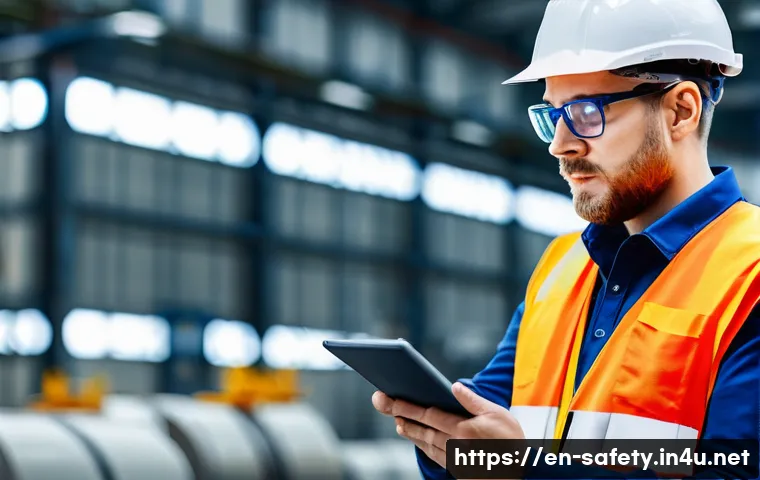
Ever wondered what really goes on behind the hard hats and high-vis vests at a bustling construction site? As a safety manager, let me tell you, it’s a whirlwind, a constant dance between detailed planning and on-the-spot problem-solving.
My days are rarely “typical,” but every single one is dedicated to making sure everyone goes home safe and sound. I’ve seen firsthand how our industry is transforming, not just with towering new buildings, but with incredible leaps in safety tech.
From checking real-time data from smart wearables that monitor vital signs and fatigue, to seeing AI-powered cameras flag potential hazards before anyone even notices, it’s a whole new world.
It’s no longer just about reacting to incidents, but predicting them, preventing them, and ensuring we’re fostering a genuine culture of care. The pressure is real, especially with tight deadlines and complex teams, but the satisfaction of knowing you’re making a tangible difference?
That’s what keeps me going. It’s about building trust, having those candid conversations, and constantly adapting to new regulations and the ever-evolving landscape of construction.
It’s tough, rewarding, and endlessly fascinating, trust me. Want to peel back the layers and truly understand what it takes? Let’s dive into the nitty-gritty and explore a day in my life!
The Early Bird Catches the Hazard: My Morning Rituals
Beyond the Alarm: Prepping for the Day’s Challenges
You know that feeling when the alarm goes off, and you’re already mentally sketching out your day? For me, as a safety manager, it’s not just about what meetings are on the calendar; it’s about anticipating potential snags on the construction site even before I’ve had my first cup of coffee.
My mornings kick off early, usually before dawn, giving me a chance to review the previous day’s incident reports – no matter how minor – and scrutinize the weather forecast.
A sudden downpour or a gusty wind can completely change the risk profile of a site, especially when you’ve got cranes swinging heavy loads or crews working at height.
I also quickly scan any regulatory updates or safety alerts that might have dropped overnight. It’s like being a detective, piecing together clues to ensure everyone’s safety.
I’ve learned that preparation isn’t just a virtue; it’s the bedrock of a safe working environment. Without this thorough morning dive, I’d feel like I was walking onto the site blind, and that’s a risk I’m simply not willing to take.
It really sets the tone for a proactive day, rather than a reactive one, and that’s a game-changer when lives are on the line.
Gear Up: The Essential Walk-Through
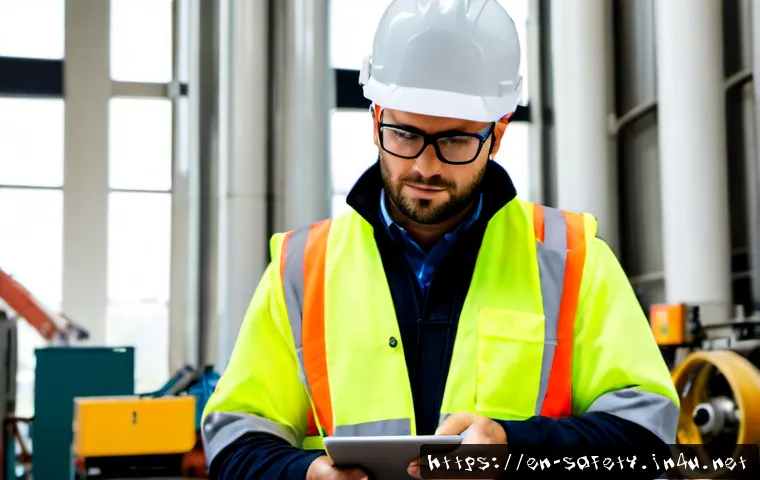
Before I even greet the project manager, my first actual step on site is a quick, solo walk-through. This isn’t a formal inspection; it’s more of an intuitive “gut check.” I’m looking for anything glaringly out of place, a freshly exposed trench without proper barricades, or perhaps a section where debris hasn’t been cleared from a walkway.
These are the quick wins, the immediate fixes that can prevent a trip or a fall before the main workforce even starts their day. I also use this time to observe the general tidiness and organization of the site.
A messy site, in my experience, is often a prelude to a hazardous one. It’s an unspoken indicator of the team’s overall attitude towards safety. I’ve personally stopped a few operations cold because I spotted an unsecured load during these early checks – trust me, those few extra minutes save hours, and potentially lives, later on.
It’s a quiet moment of observation before the organized chaos of construction truly begins, and it’s invaluable for catching those subtle shifts in site conditions.
Stepping Onto the Front Lines: Daily Site Inspections
The Human Element: Connecting with the Crew
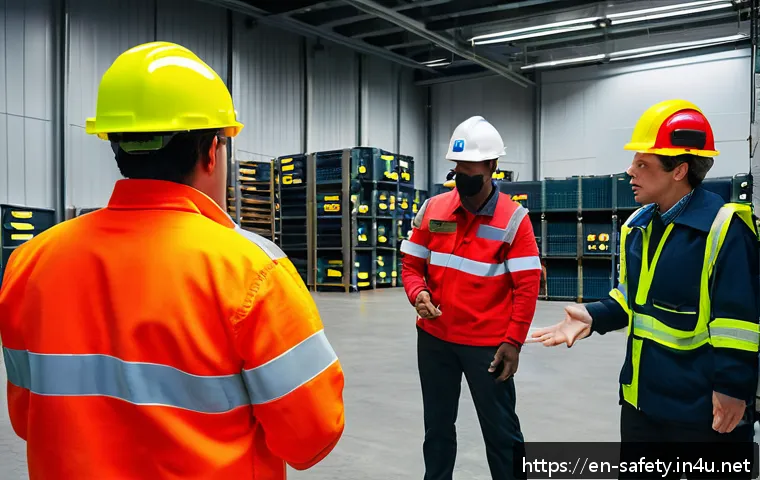
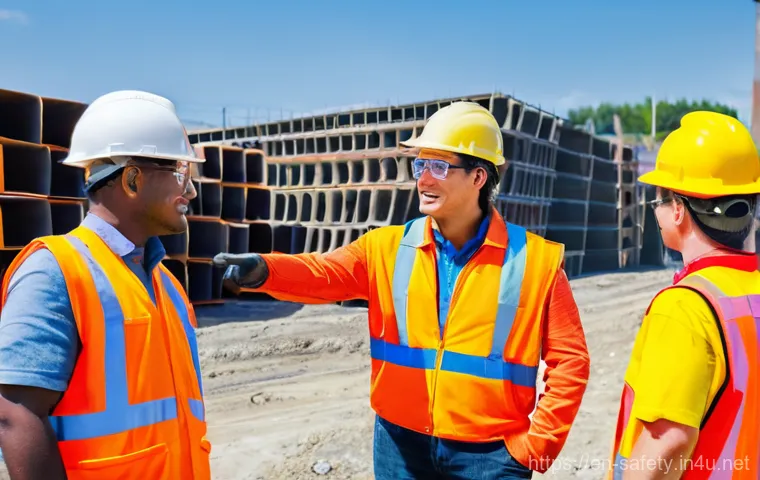
Once the site is buzzing, my main focus shifts to being present and visible. Daily site inspections aren’t just about ticking boxes; they’re about interacting with the people doing the hard work.
I try to touch base with different teams – the steelworkers, the electricians, the earthmovers – and simply ask them how things are going. Sometimes, the most valuable safety insights come from a casual chat with someone who’s directly experiencing a process.
They might mention a faulty tool they’re making do with, or a particularly tricky maneuver they’re attempting. I remember one time, a seasoned foreman casually pointed out a subtle vibration in a piece of heavy machinery that, upon closer inspection, turned out to be a serious mechanical issue.
That quick heads-up prevented a potential breakdown and a costly injury. It’s about building trust, showing that I’m not just there to catch them doing something wrong, but to support them in doing things right.
This human connection is, in my opinion, the most powerful safety tool we have.
Spotting the Unseen: Beyond the Obvious Hazards
While walking the site, my eyes are constantly scanning for both the obvious and the less apparent hazards. Everyone can spot a missing hard hat, but what about the subtle changes in ground stability near an excavation, or the way a temporary scaffold might be swaying ever so slightly in the wind?
I’m often looking for patterns of behavior that could lead to an incident – shortcuts being taken, proper PPE not being worn correctly, or even signs of fatigue among the workers.
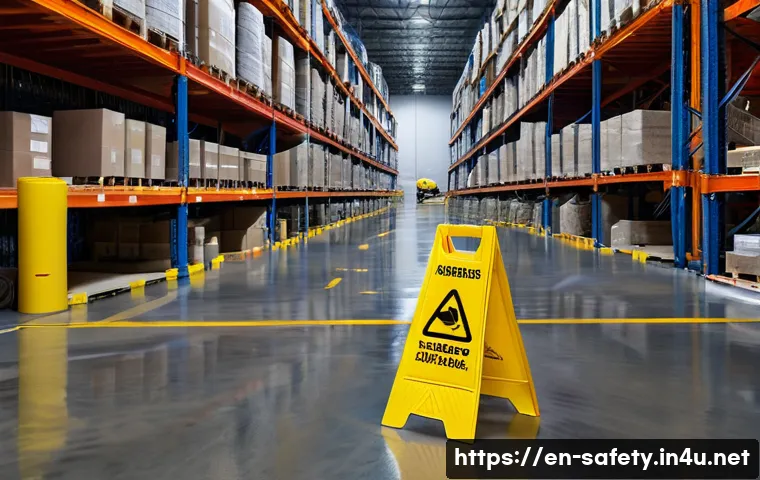
I also pay close attention to housekeeping, which often gets overlooked. A clear path today can become a tripping hazard tomorrow if materials aren’t stored properly.
My philosophy is that every near-miss is a lesson learned, and every potential hazard I identify before it causes harm is a victory. It’s a constant training of the eye, almost like a sixth sense you develop over years of being on site.
Empowering the Team: Toolbox Talks and Training
More Than Just a Chat: Engaging Toolbox Meetings
Toolbox talks are a cornerstone of our daily safety efforts, but honestly, they can sometimes feel a bit dry if not handled right. My goal is to make them relevant, engaging, and genuinely useful.
Instead of just reading off a list of rules, I often bring in real-world examples from the site itself – perhaps a near-miss from the previous day, or a particularly challenging lift scheduled for that morning.
We’ll discuss potential risks, brainstorm solutions as a group, and make sure everyone understands the specific safety protocols for the tasks ahead. It’s not a lecture; it’s a conversation.
I remember one morning, we were about to begin a complex rigging operation. Instead of just stating the procedure, I asked the team to identify the three biggest risks and how we could mitigate them.
The discussion was incredibly insightful and led to a better, safer plan. When people contribute, they own the solution, and that makes all the difference.
Lifelong Learning: Continuous Skill Development
Safety isn’t a static concept; it evolves with technology, materials, and processes. That’s why ongoing training is absolutely critical. Beyond the daily toolbox talks, I’m constantly arranging more in-depth training sessions for specific tasks, new equipment, or updated regulations.
This might involve everything from confined space entry certifications to advanced first-aid courses, or even training on new smart sensors we’re deploying.
I’ve found that investing in skill development not only makes workers safer but also boosts their confidence and overall job satisfaction. Seeing a team successfully complete a challenging task safely because they were well-trained is incredibly rewarding.
It shows that safety isn’t a barrier to productivity; it’s an enabler.
The Tech Revolution: Integrating Innovation for Safety
Wearables and AI: Our New Set of Eyes and Ears
It’s truly incredible to see how technology has transformed construction safety in recent years. We’re moving light-years beyond clipboards and checklists.
Nowadays, I’m often reviewing data from smart wearables that monitor everything from a worker’s heart rate and body temperature to their posture and proximity to hazardous zones.
This real-time information allows us to proactively identify fatigue or heat stress risks before they become critical. Then there are the AI-powered cameras, which are absolute game-changers.
They can detect unauthorized entries into exclusion zones, flag if someone isn’t wearing their hard hat, or even identify unsafe lifting practices in real-time.
Just last month, an AI camera alerted us to a crane operator who was exhibiting early signs of fatigue, allowing us to intervene and swap operators before an incident occurred.
It’s not about replacing human oversight, but augmenting it, giving us an extra layer of protection.
Digital Twins and Predictive Analytics: Looking Ahead
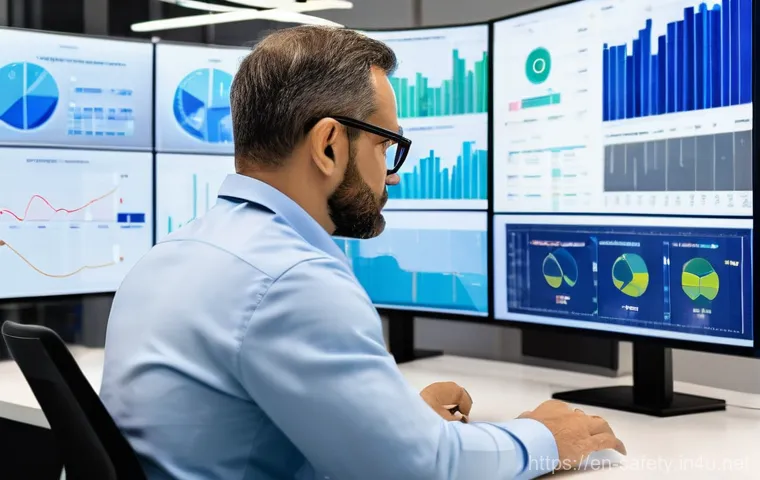
Beyond the immediate, we’re also leveraging technologies like digital twins and predictive analytics. Imagine having a virtual replica of your construction site, constantly updated with real-time data, allowing us to simulate potential hazards and test safety protocols before they’re implemented in the physical world.
This is becoming a reality, allowing us to identify design flaws or logistical issues that could pose safety risks long before construction even begins.
Predictive analytics, on the other hand, helps us analyze vast amounts of data – incident reports, weather patterns, equipment maintenance logs – to forecast potential safety hotspots or predict which types of incidents are most likely to occur.
It’s like having a crystal ball that helps us allocate resources and training more effectively. I’ve seen how this proactive approach reduces our incident rates significantly, making everyone feel more secure.
Building More Than Structures: Fostering a Safety Culture
From Compliance to Commitment: A Shift in Mindset
For me, safety isn’t just about enforcing rules; it’s about cultivating a deep-seated culture where everyone feels responsible for their own safety and the safety of their colleagues.
This means moving beyond mere compliance and instilling a genuine commitment to safe practices. It’s about creating an environment where workers feel empowered to speak up if they see something unsafe, without fear of reprisal.
I actively encourage open communication, daily safety huddles, and regular feedback sessions. When people feel heard and valued, they naturally become more engaged in safety.
I’ve found that when a culture of trust is established, safety becomes intrinsically woven into every task, rather than just an afterthought. This is where real, lasting change happens.
The Ripple Effect: Leadership by Example
A strong safety culture always starts from the top. When project managers, supervisors, and even company executives visibly prioritize safety, it sends a powerful message throughout the entire organization.
This means leadership actively participating in safety briefings, conducting their own site walk-throughs, and immediately addressing any safety concerns raised.
I remember working on a project where the CEO himself would occasionally join our morning toolbox talks and share personal anecdotes about safety, emphasizing its importance.
That kind of visible commitment resonates deeply with the workforce and demonstrates that safety isn’t just a corporate slogan but a core value. It truly creates a ripple effect, inspiring everyone to elevate their safety game.
When the Unexpected Strikes: Emergency Preparedness
Drill and Refine: Ready for Anything
No matter how meticulously we plan, the unpredictable can still happen. That’s why emergency preparedness is absolutely non-negotiable. My role involves constantly reviewing and refining our emergency response plans, conducting regular drills, and ensuring all personnel know exactly what to do in various scenarios – be it a fire, a medical emergency, or even a structural collapse.
These aren’t just theoretical exercises; we run full-scale simulations, involving local emergency services where possible, to ensure our coordination is seamless.
Just a few months ago, a minor incident on site, thankfully without serious injury, validated our quick response protocols and highlighted areas where we could still improve our communication.
It’s a continuous learning process, and every drill makes us a little bit stronger, a little bit faster, and ultimately, a little bit safer.
Critical Equipment Check: The Life-Saving Tools
Part of emergency preparedness also involves meticulous oversight of all critical safety and emergency equipment. This means ensuring that first-aid stations are fully stocked, fire extinguishers are charged and accessible, emergency showers and eyewash stations are operational, and rescue equipment is regularly inspected and maintained.
It’s a constant battle against complacency. I personally conduct spot checks, often unannounced, to ensure that everything is in its proper place and in perfect working order.
I’ve seen situations where a malfunctioning emergency radio could have delayed critical medical attention, and that’s a lesson you never forget. These tools are our last line of defense, and they must always be ready to perform when it matters most.
Behind the Scenes: Documentation and Compliance
The Paper Trail: Keeping Everything in Order
While being out on site is where the action is, a significant part of my day is spent on meticulous documentation. This isn’t just bureaucratic red tape; it’s crucial for legal compliance, tracking safety performance, and identifying trends.
Every inspection report, incident investigation, training record, and risk assessment needs to be accurately recorded and filed. I spend a considerable amount of time ensuring that our digital safety management system is up-to-date, making it easy to retrieve information during audits or if we need to review specific procedures.
It’s about creating a clear, auditable trail that demonstrates our commitment to safety. Trust me, when an auditor comes calling, or worse, if there’s an incident, having your ducks in a row with documentation is an absolute lifesaver.
Regulatory Deep Dive: Staying Current with Standards
The world of safety regulations is constantly evolving. New standards are introduced, old ones are updated, and interpretations can change. It’s a continuous challenge to stay on top of it all.
I regularly review publications from OSHA, local building codes, and industry best practice guides. My goal is not just to meet minimum compliance but to exceed it wherever possible.
This often involves researching new technologies or methodologies that offer a higher level of protection than current regulations strictly require. It’s a proactive approach to safety that ensures we’re always operating at the cutting edge of industry best practices.
I feel it’s my duty to keep us ahead of the curve, always pushing for a safer work environment.
| Safety Focus Area | Key Activities Performed Daily/Weekly | Impact on Site Safety |
|---|---|---|
| Hazard Identification | Daily site walk-throughs, near-miss reporting analysis, worker feedback sessions, AI-powered camera monitoring. | Proactive identification and mitigation of potential risks, leading to fewer incidents and injuries. |
| Worker Training & Engagement | Morning toolbox talks, specialized skill training, safety awareness campaigns, open-door policy for concerns. | Enhanced worker competency, increased safety awareness, and a stronger collective commitment to safe practices. |
| Emergency Preparedness | Regular emergency drills, equipment checks (first-aid, fire extinguishers), review and update of evacuation plans. | Ensures rapid and effective response to incidents, minimizing harm and potential escalation. |
| Technological Integration | Monitoring smart wearables data, analyzing AI-camera alerts, leveraging digital twins for risk simulation. | Provides real-time insights, predictive capabilities, and automated hazard detection, significantly boosting safety. |
| Regulatory Compliance | Documentation of inspections, incident reports, training records, continuous review of updated safety standards. | Ensures legal adherence, provides an auditable safety record, and supports continuous improvement efforts. |
Beyond the Hard Hat: My Personal Takeaways
The Weight of Responsibility, The Joy of Prevention
Honestly, being a construction safety manager isn’t always glamorous. There are long hours, stressful situations, and the constant pressure of knowing that people’s lives are, in part, in your hands.
But here’s the thing: the satisfaction I get from this job is immense. There’s a profound sense of purpose in knowing that your efforts directly contribute to people going home to their families safely every single day.
I’ve seen the devastation that accidents can cause, and that memory fuels my determination to prevent them. It’s a heavy responsibility, yes, but it’s also incredibly rewarding.
When a project wraps up without a single lost-time injury, there’s a collective sigh of relief and a quiet sense of pride that washes over everyone. It’s a feeling that makes all the challenges worthwhile.
Evolution of a Career: Growing with the Industry
When I started in this field, safety was often seen as an afterthought, a necessary evil. But over the years, I’ve witnessed a dramatic shift. Safety is now recognized as integral to project success, worker morale, and ultimately, a company’s reputation.
This evolution has made my role even more dynamic and engaging. I’m constantly learning about new technologies, innovative methodologies, and better ways to foster a truly safe environment.
It’s a career that demands continuous growth and adaptation, and I wouldn’t have it any other way. The construction industry is always building, not just structures, but also its future, and I’m proud to be a part of building that future on a foundation of safety.
Closing Thoughts
And there you have it, folks! My daily routine, from the quiet moments of early morning preparation to the bustling energy of the construction site, is all about one thing: making sure everyone gets to go home safely at the end of the day. It’s a journey filled with constant learning, unexpected challenges, and immense satisfaction. I truly believe that safety isn’t just a checklist; it’s a mindset, a culture, and a deeply personal commitment that makes all the difference in our industry.
Useful Information to Know
1. Prioritize Proactive Communication: Never underestimate the power of simply talking to your team. The most effective safety measures often emerge from casual conversations with workers on the ground. They are the ones facing the challenges daily, and their insights are invaluable for spotting potential hazards before they escalate. Foster an environment where everyone feels comfortable speaking up, without fear of being dismissed or penalized. This open dialogue truly builds trust and strengthens your safety culture from the inside out.
2. Embrace Technology, Don’t Fear It: The advancements in safety technology, from wearable sensors to AI-powered monitoring, are here to empower us, not replace us. Learn about these innovations and how they can augment your existing safety protocols. Integrating these tools can provide real-time data, predictive insights, and an extra layer of protection that simply wasn’t possible a decade ago. Staying updated on these advancements isn’t just smart; it’s essential for maintaining a cutting-edge safety program.
3. Regular Training is Non-Negotiable: Safety isn’t a “one-and-done” deal. The industry evolves, equipment changes, and new risks emerge. Make continuous training a core part of your safety strategy. This means not just annual refreshers, but targeted sessions on new tools, specific high-risk tasks, and even soft skills like effective communication during emergencies. Invest in your team’s knowledge and capabilities; it’s an investment that pays dividends in reduced incidents and a more confident workforce.
4. Develop a Robust Emergency Response Plan: Hope for the best, but always prepare for the worst. Having a comprehensive, well-practiced emergency response plan is crucial. This isn’t just about having a document; it’s about conducting regular drills, ensuring all equipment is in perfect working order, and establishing clear lines of communication with local emergency services. The speed and effectiveness of your response in a crisis can literally save lives and minimize damage. Practice makes perfect, and in safety, perfection is the goal.
5. Lead by Example, Always: A strong safety culture emanates from the top. As leaders, our commitment to safety must be visible, consistent, and unwavering. Participate in safety briefings, conduct your own site walk-throughs, and always address safety concerns immediately and transparently. When your team sees that safety is truly a priority for leadership, it instills a much deeper sense of commitment throughout the entire organization, transforming compliance into genuine dedication.
Key Takeaways
What I’ve learned most profoundly in my years as a safety manager is that safety in construction isn’t just a set of rules or a series of inspections; it’s a dynamic, living culture built on vigilance, proactive measures, and unwavering personal responsibility. It’s about leveraging every tool at our disposal, from my early morning gut checks to cutting-edge AI, but ultimately, it’s about people. It’s about fostering an environment where every single person on site understands the critical importance of their own safety and the safety of their colleagues. The true reward isn’t just seeing structures rise, but knowing that we’ve played a part in ensuring every builder returns home safe and sound to their loved ones. That, my friends, is the most meaningful blueprint of all.
Frequently Asked Questions (FAQ) 📖
Q: How has technology really transformed the day-to-day role of a safety manager on a construction site?
A: Oh, where do I even begin? It’s like comparing flip phones to smartphones, honestly! Before, a lot of our job was reactive – responding to incidents, filling out mountains of paperwork after something went wrong.
Don’t get me wrong, that’s still a part of it, but now? It’s a whole new ballgame. I’ve personally seen how smart wearables, for example, have become absolute game-changers.
Imagine having a real-time pulse on a worker’s fatigue levels or heart rate, especially in extreme conditions. We get alerts, we can intervene before an accident even has a chance to happen.
And those AI-powered cameras? They’re not just for security; they’re like an extra set of incredibly vigilant eyes, flagging potential hazards or unsafe practices in real-time, sometimes before any human even registers it.
It allows us to be proactive, to predict, and to prevent, which is just incredibly satisfying. It’s truly about bringing predictive analysis into a field that’s historically been very much about hindsight.
Trust me, it makes a huge difference in fostering that ‘culture of care’ I mentioned, because everyone feels safer and more looked after. It keeps you on your toes, learning new systems, but the impact is undeniable.
Q: With all these advancements, what are some of the biggest challenges you still face as a safety manager, and how do you tackle them?
A: That’s a fantastic question, and let me tell you, it’s not all shiny new tech and smooth sailing! While technology gives us incredible tools, it also adds layers of complexity.
One of the biggest hurdles is definitely managing that blend of tight deadlines and making sure safety isn’t just an afterthought. There’s always pressure to push ahead, but my core belief, and what I constantly preach, is that safety is efficiency.
A safe site is a productive site, full stop. Another challenge is the human element – getting everyone on board. You’ve got veterans who’ve ‘always done it this way,’ and newcomers who might be less experienced.
It takes a lot of active listening, clear communication, and often, showing them the ‘why’ behind the rules. I’ve found that real-life examples and demonstrating how the tech helps them, rather than hinders, is key.
It’s about building that trust, having those honest conversations, and getting buy-in, because without it, even the best tech in the world won’t prevent incidents.
It’s a continuous learning curve, for sure, but seeing a team gel and prioritize safety together? That’s golden.
Q: Beyond the technicalities, what truly makes your job as a safety manager rewarding, and how do you foster that crucial ‘culture of care’?
A: Honestly, for me, the most rewarding part isn’t just about the cool tech or the smooth operations – it’s knowing that because of the systems we put in place and the culture we build, every single person on that site gets to go home to their families at the end of the day, safe and sound.
That feeling? It’s irreplaceable. I’ve seen the relief on faces when a potential hazard is caught, and I’ve experienced the deep satisfaction of watching a team work together, looking out for each other.
Fostering that ‘culture of care’ isn’t something you can just mandate; it has to be lived and breathed. It starts with leadership truly valuing safety, not just on paper, but in every decision.
Then, it’s about constant communication – toolbox talks that aren’t just tick-box exercises, but genuine conversations. It’s about empowering every individual to speak up, to be a safety leader themselves, without fear of reprisal.
I make it a point to be visible on site, to talk to everyone, from the newest laborer to the project manager. Building those relationships, earning that trust, and consistently reinforcing that everyone’s well-being is paramount – that’s how you build a culture where safety isn’t just a rule, but a shared value.
It’s tough, sometimes draining, but the impact on people’s lives? That’s my ultimate motivation.